What Is Dialysis?
Dialysis is a medical procedure used when the kidneys are unable to adequately filter waste products and excess fluid from the blood.
From a Germanic Healing Knowledge (GHK) perspective, the focus is not on dialysis itself but on understanding the biological programs affecting the kidneys and the emotional conflicts that may have preceded the loss of kidney function.
The Kidney Collecting Tubules
One of the most important kidney programs discussed in GHK involves the kidney collecting tubules, which are associated with:
Existence Conflicts
Examples include:
- Fear of losing one’s livelihood
- Financial insecurity
- Fear of homelessness
- Feeling abandoned
- Feeling unsupported
- Fear of survival
- Being left alone during a crisis
In biological terms, these are often described as “fish out of water” conflicts.
Brain Relay and Germ Layer
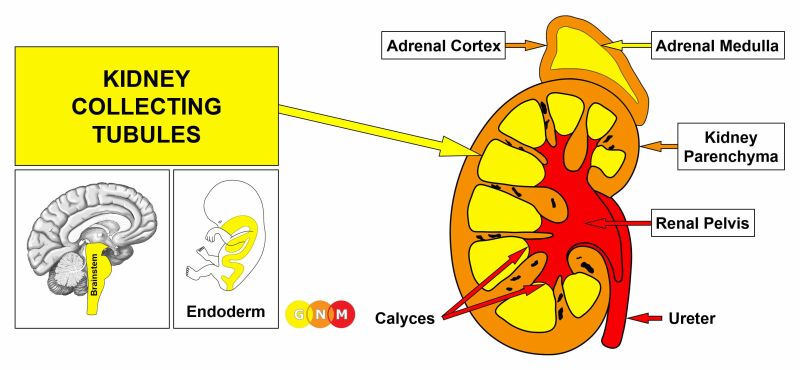
| Component | Relationship |
|---|---|
| Biological Conflict | Existence / Abandonment Conflict |
| Brain Relay | Brainstem |
| Germ Layer | Endoderm |
| Organ | Kidney Collecting Tubules |
| Conflict-Active Phase | Water Retention |
| Healing Phase | Release of Excess Water |
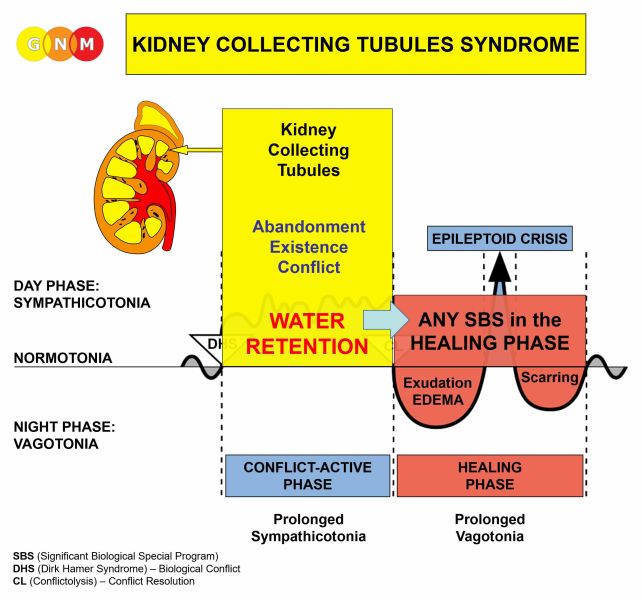
The Syndrome
One of the most important concepts in GHK is called The Syndrome.
When an existence conflict remains active:
- Water is retained.
- Swelling increases throughout the body.
- Existing symptoms can become amplified.
- Tissue edema becomes more pronounced.
Many GHK practitioners consider active existence conflicts to be one of the most significant factors affecting chronic illness.
Kidney Failure and Dialysis
GHK examines several kidney-related programs depending on the specific diagnosis.
Questions often explored include:
- When did the person begin feeling abandoned?
- Was there a period of financial insecurity?
- Did they feel unsupported during a crisis?
- Was there a fear of losing everything?
- Was there a prolonged struggle for survival?
The focus is on identifying the emotional conflicts that may be contributing to the biological programs affecting kidney function.
Common Emotional Themes
People requiring dialysis may report experiences such as:
- Loss of a spouse
- Loss of a home
- Bankruptcy
- Family abandonment
- Long-term caregiving stress
- Feeling completely alone
- Fear of survival
These themes are often explored in GHK consultations.

The Healing Perspective
Within GHK, resolution of an existence conflict is believed to help the organism move out of a chronic survival state.
The goal is not merely symptom management but helping the individual:
- Feel safe again
- Feel supported
- Restore trust in life
- Resolve abandonment experiences
- Address ongoing survival fears
Questions for Reflection
- When did I first feel unsupported?
- What survival fear am I carrying?
- Do I feel abandoned by someone important?
- Am I living with constant financial or existential worry?
- What situation makes me feel “left alone”?
Final Thoughts
From a GHK perspective, kidney-related conditions often involve themes of existence, survival, abandonment, and support. The kidney collecting tubules are associated with water retention programs that become active when a person feels alone, unsupported, or threatened at a fundamental survival level.
Understanding these emotional themes may provide valuable insight into the biological meaning of kidney symptoms and the experiences that preceded them.
Relevant LearningGNM References
- LearningGNM – Kidneys and Collecting Tubules
- LearningGNM – The Syndrome
- LearningGNM – Existence Conflicts
- LearningGNM – Brainstem Controlled Organs
A useful GHK diagram for dialysis-related discussions is:
Existence Conflict → Brainstem Relay → Kidney Collecting Tubules → Water Retention (The Syndrome) → Resolution → Water Release.