Depression in Germanic Healing Knowledge (GHK) is understood very differently from mainstream psychology. In the framework of Ryke Geerd Hamer, it is not seen as a chemical imbalance or disorder, but as a biological state linked to specific unresolved conflicts and brain activity.
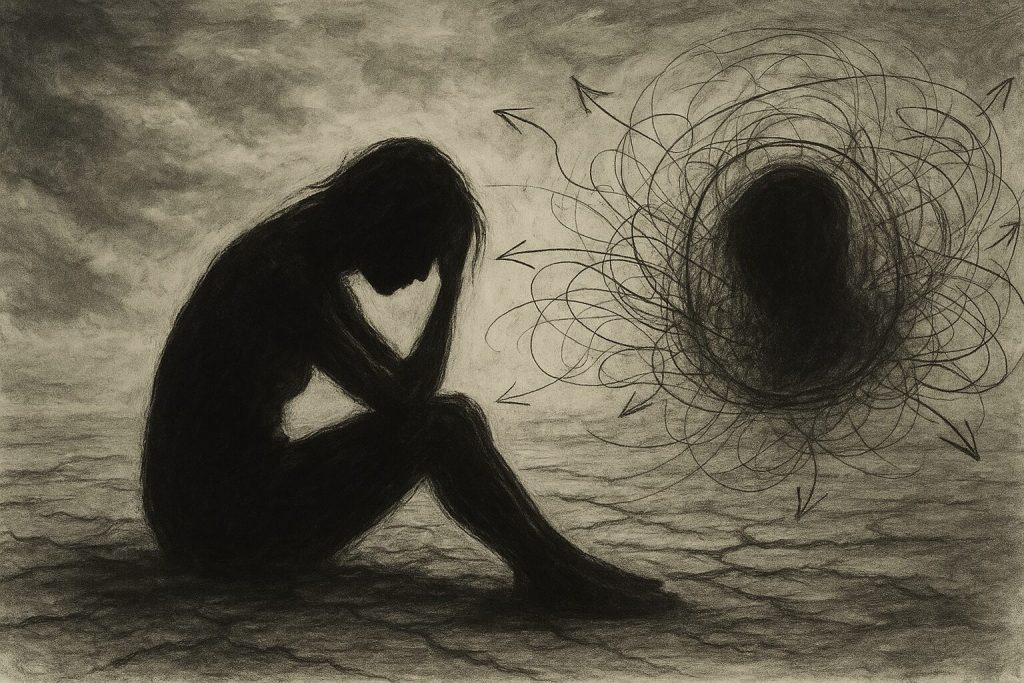
🧠 The Core Idea
In GHK, what is commonly labeled as depression is often associated with:
- A constellation in the cerebral cortex (both hemispheres involved), or
- A hormonal and territorial conflict state that alters mood and behavior
It is seen as a meaningful adaptation, not a malfunction.
⚖️ Two Broad GHK Patterns Linked to “Depression”
1. Territorial Conflict–Based Depression (Endogenous Type)
This is considered the more “classic” depressive state in GHK.
Biological conflicts involved:
- Loss of territory (job, relationship, status)
- Loss of role or identity
- Feeling defeated, powerless, or “not able to hold one’s ground”
Inner experience:
- Withdrawal, low motivation
- Emotional heaviness
- Reduced drive and engagement
👉 In GHK, this is linked to specific territorial brain relays and often influenced by hormonal status.
2. Constellation-Based Depression
This happens when:
- Two active conflicts affect both hemispheres simultaneously
This can lead to:
- Emotional numbness or flatness
- Confusion, apathy
- Feeling “disconnected” from life
👉 Instead of one clear emotion, there’s a mixed or blunted state.
🔄 Why Depression Happens (GHK View)
From this perspective, depression is a protective biological response:
- The body reduces activity to:
- Conserve energy
- Avoid further emotional चोट (shock)
- It creates a state of introspection or withdrawal
- It may prevent impulsive or risky actions during conflict
🧩 Important Influencing Factors
GHK places strong emphasis on:
- Handedness (left vs right-handed individuals experience conflicts differently)
- Hormonal state (puberty, menopause, contraception, etc.)
- Nature of the conflict (sudden shock vs ongoing stress)
🔓 Resolution (GHK Lens)
According to GHK, healing does not come from symptom suppression, but from:
- Identifying the original emotional shock (DHS)
- Understanding:
- When it started
- What keeps triggering it
- Resolving the perception of loss, defeat, or conflict
👉 Once the conflict resolves:
- The psyche shifts out of depression
- The body may enter a healing phase, sometimes with temporary symptoms