Pancreatitis Through the Lens of Germanic Healing Knowledge (GHK)
Understanding Pancreatitis from a GHK Perspective
In conventional medicine, pancreatitis refers to inflammation of the pancreas and may be classified as acute or chronic. Germanic Healing Knowledge (GHK), however, views pancreatitis as part of a meaningful biological program involving the pancreatic ducts and their associated emotional conflicts.
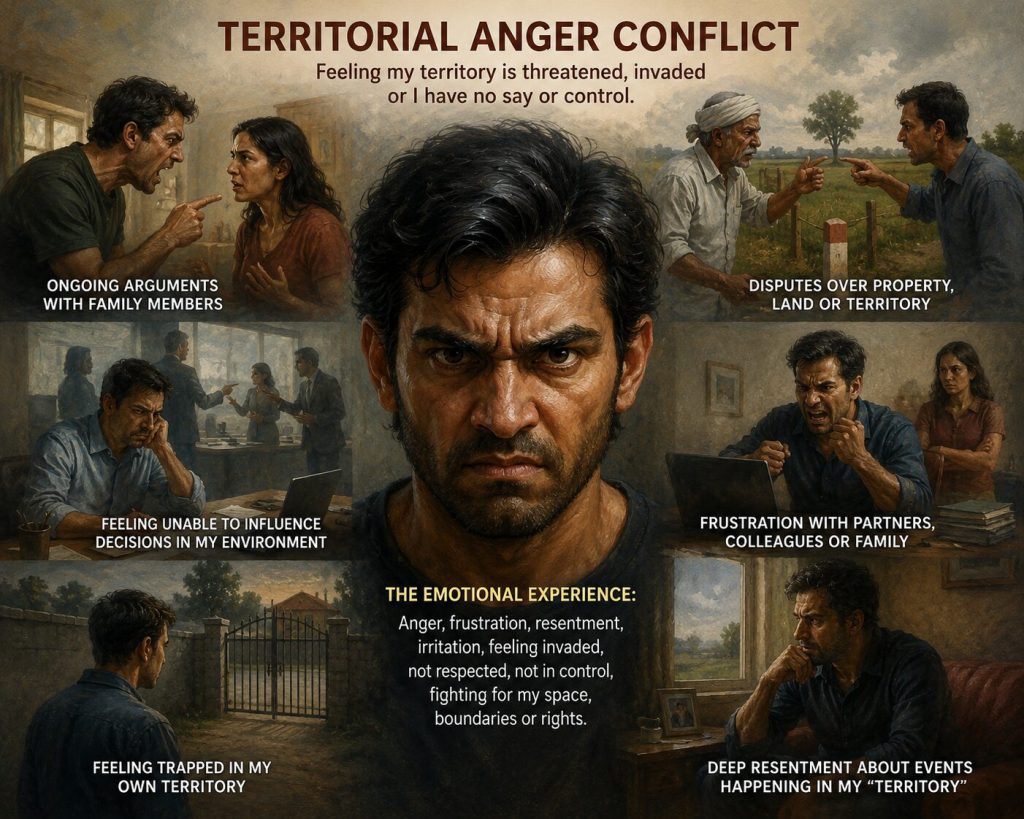
According to GHK, the pancreatic ducts belong to the ectodermal tissue group and are controlled from the cerebral cortex. The biological conflict associated with the pancreatic ducts is a territorial anger conflict.
Examples may include:
- Ongoing arguments within the family
- Conflicts over property or territory
- Feeling unable to influence what is happening in one’s environment
- Frustration related to family members, partners, or colleagues
- Deep resentment about events occurring within one’s “territory”
The intensity and duration of the conflict determine the extent of the biological response.
The Conflict-Active Phase
During the conflict-active phase, GHK proposes that ulceration develops within the lining of the pancreatic ducts.
The biological purpose of this tissue loss is believed to be the widening of the ducts, allowing a greater flow of pancreatic secretions and thereby supporting metabolism during a stressful period.
During this phase, a person may experience:
- Mild to severe abdominal pain
- Ongoing mental preoccupation with the conflict
- Irritability and frustration
- Symptoms associated with chronic stress
As long as the territorial anger conflict remains unresolved, the biological program continues.
The Healing Phase and Pancreatitis
Once the territorial anger conflict is resolved, the body enters the healing phase.
According to GHK, this is when inflammation of the pancreatic ducts occurs. The ulcerated tissue is repaired through cell proliferation and edema develops in the healing area.
Typical healing symptoms may include:
- Pancreatic swelling
- Abdominal pain and pressure
- Digestive disturbances
- Fatty stools
- Elevated pancreatic enzymes
- Fatigue and increased need for rest
From a GHK perspective, these symptoms indicate that repair and restoration are underway rather than representing a new disease process.
The severity of the symptoms is believed to correspond to the intensity and duration of the preceding conflict-active phase.
Acute Pancreatitis
GHK interprets acute pancreatitis as an intense healing phase following the resolution of a significant territorial anger conflict.
Many individuals can identify a period of prolonged frustration, anger, resentment, or emotional conflict that preceded the onset of symptoms.
Examples may include:
- A major family dispute that suddenly settles
- Resolution of a long-standing property issue
- Reconciliation after a bitter disagreement
- Relief following a stressful legal or financial situation
The onset of healing may trigger significant inflammation and pain as the pancreatic ducts undergo repair.
Chronic Pancreatitis
From a GHK perspective, chronic pancreatitis often reflects a hanging healing situation.
This occurs when a person repeatedly resolves and reactivates the same territorial anger conflict.
For example:
- A conflict with a family member appears resolved but repeatedly returns.
- A business dispute settles temporarily but resurfaces.
- An individual alternates between hope and frustration regarding the same issue.
These repeated conflict relapses prevent completion of the healing phase and may lead to ongoing symptoms.
Exploring the Emotional Dimension
Practitioners working within a GHK framework may explore questions such as:
- What was happening in my life before the symptoms began?
- Was I experiencing territorial anger or resentment?
- Did I feel trapped in a situation I could not control?
- Was there a conflict involving family, home, business, or property?
- Did the symptoms appear after the situation improved or was resolved?
Identifying these emotional themes may provide valuable insight into the biological program associated with the pancreas.
Final Thoughts
Germanic Healing Knowledge views pancreatitis as part of a meaningful biological response linked to territorial anger conflicts. According to this perspective, inflammation of the pancreatic ducts occurs primarily during the healing phase following conflict resolution.
Whether one agrees with this interpretation or not, it highlights the potential relationship between prolonged emotional stress, unresolved anger, and physical symptoms. The GHK approach encourages individuals to examine both the biological and emotional dimensions of healing.
The most important GHK point here is that pancreatitis is considered a healing-phase symptom of the pancreatic ducts following resolution of a territorial anger conflict, rather than the conflict-active phase itself. (learninggnm.com)