Understanding Postpartum Depression
Conventional medicine describes postpartum depression as a mood disorder that can occur after childbirth, characterized by sadness, anxiety, exhaustion, feelings of overwhelm, and difficulty bonding with the baby.
Germanic Healing Knowledge (GHK), however, approaches postpartum emotional symptoms by examining the specific biological conflicts a mother may have experienced during pregnancy, childbirth, or the early postpartum period.
Rather than viewing postpartum depression as a disorder occurring in isolation, GHK encourages exploration of the emotional shocks, losses, fears, separations, and self-devaluation conflicts that may have preceded the symptoms.
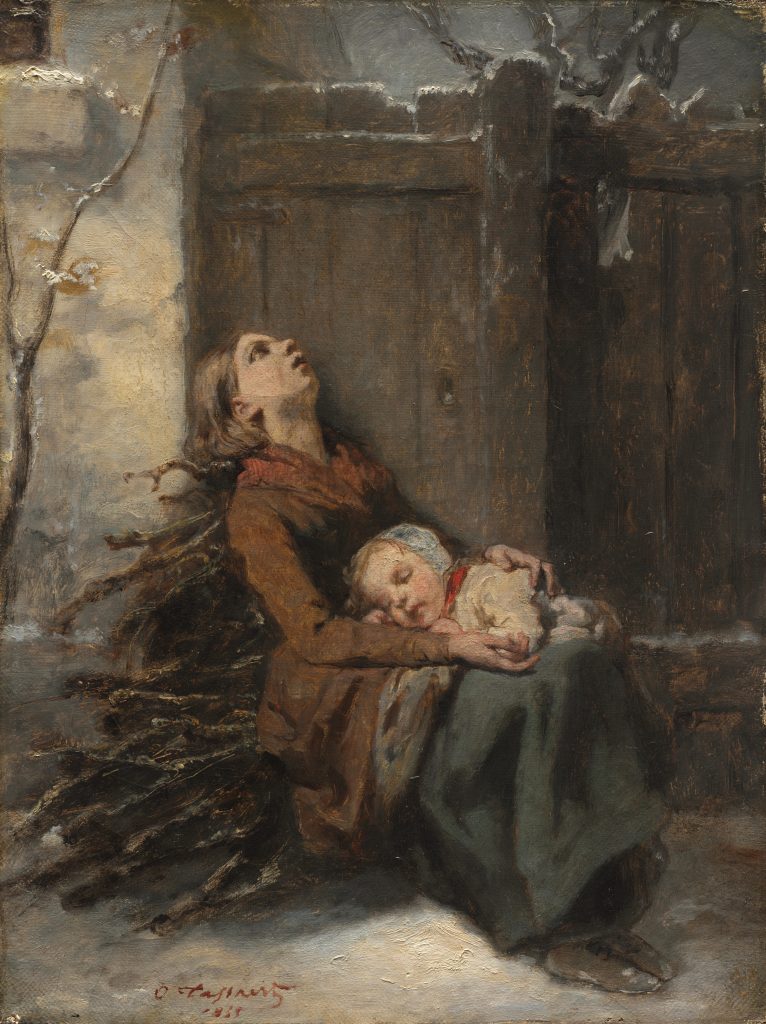
Separation Conflict: “My Baby Has Been Taken Away From Me”
One of the most common themes explored in GHK is the separation conflict.
Examples include:
- Mother and baby being separated after birth
- NICU admission
- Premature birth
- Difficulty breastfeeding
- Baby staying in the hospital
- Reduced physical contact between mother and infant
According to GHK, a separation conflict can create profound emotional distress because the biological expectation is continuous physical contact between mother and child.
Questions often explored include:
- Was there an unexpected separation after birth?
- Did the mother feel unable to protect or care for the baby?
- Was skin-to-skin contact interrupted?
- Was there fear of losing the child?
Mother-Child Worry Conflict
LearningGNM describes a mother-child worry conflict as one of the most significant biological conflicts affecting mothers.
Examples include:
- Fear that the baby is not healthy
- Concern about feeding difficulties
- Anxiety regarding growth or development
- Constant fear that something may happen to the child
Many mothers report that their symptoms began after weeks or months of intense worry regarding their child’s wellbeing.
Self-Devaluation Conflict
The transition to motherhood can also trigger self-worth conflicts.
Examples include:
- Feeling like a bad mother
- Feeling incapable of caring for the baby
- Comparing oneself to other mothers
- Believing one is failing at motherhood
According to GHK, self-devaluation conflicts affect tissues controlled by the cerebral medulla and can create significant emotional suffering.
Questions explored may include:
- Do I feel inadequate as a mother?
- Am I judging myself harshly?
- Do I feel unsupported or incapable?
Loss Conflict
Some postpartum women experience symptoms following:
- Miscarriage
- Stillbirth
- Infant loss
- Traumatic childbirth experiences
- Loss of a desired birth experience
GHK views such events as biologically significant shocks that can trigger multiple biological programs simultaneously.
Territorial Fear and Existential Fear
The arrival of a baby often introduces concerns regarding:
- Financial security
- Housing
- Relationship stability
- Ability to provide for the family
In GHK terminology, these may be experienced as territorial fear or existence conflicts.
Examples include:
- “How will we manage financially?”
- “Can I keep my family safe?”
- “What if I cannot provide for my child?”
These concerns may contribute to ongoing stress and emotional overwhelm.
The Role of Hormonal Constellations
Within GHK, emotional and behavioral changes are sometimes examined through the lens of hormonal constellations involving the cerebral cortex.
Practitioners may explore whether multiple conflicts are active simultaneously and how these may influence mood, perception, and emotional resilience.
Questions Often Explored in a GHK Session
- What happened during pregnancy and birth?
- Was there an unexpected separation from the baby?
- What was my greatest fear after childbirth?
- Did I feel unsupported or alone?
- Was I worried constantly about my child’s wellbeing?
- Did I feel like I was failing as a mother?
- Was there a traumatic event surrounding the birth?
A GHK-Oriented Perspective
From a GHK perspective, postpartum depression is not typically viewed as a single disease entity. Instead, symptoms are understood as meaningful responses associated with specific emotional conflicts and biological programs.
The focus is on identifying the precise emotional experience that preceded the symptoms, understanding its biological significance, and supporting the mother in finding resolution, safety, connection, and emotional coherence.
Final Thoughts
Germanic Healing Knowledge encourages us to look beyond the label of postpartum depression and explore the lived experiences of new mothers. Separation from a child, intense worry, feelings of inadequacy, birth trauma, loss, and existential fears may all play important roles in shaping the postpartum experience.
By understanding these emotional themes, mothers may gain greater insight into their symptoms and the challenges they are navigating during one of life’s most transformative transitions.
Supporting GHK / GNM Resources
- LearningGNM – Mother/Child Worry Conflict
- LearningGNM – Separation Conflicts and the Skin Programs
- LearningGNM – Biological Conflict Glossary
- LearningGNM – Constellations and Mental Symptoms
- Amici di Dirk (Germanische Heilkunde Resources)
A useful GHK inquiry for postpartum depression is often: “What changed emotionally just before the symptoms began?” In many GHK case analyses, the onset is traced to a specific separation, worry, loss, self-devaluation, or fear-related experience surrounding the baby, birth, or family situation.