According to GHK, self-devaluation conflicts are among the most common biological conflicts because they relate to a person’s perceived value, ability, performance, strength, attractiveness, competence, or worthiness.
The exact illness or symptom depends on the specific type of self-devaluation and the tissue involved.
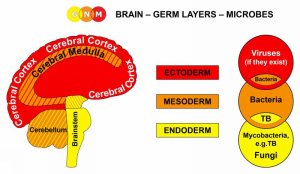
General Rule in GHK
New Mesoderm (controlled by the cerebral medulla)
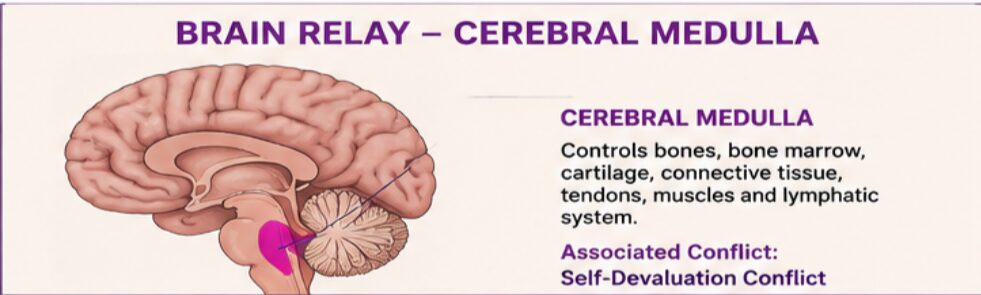
Conflict Theme:
“I am not good enough.”
“I failed.”
“I am weak.”
“I cannot do this.”
These conflicts primarily affect:
- Bones
- Cartilage
- Tendons
- Ligaments
- Muscles
- Lymph nodes
- Fat tissue
- Connective tissue
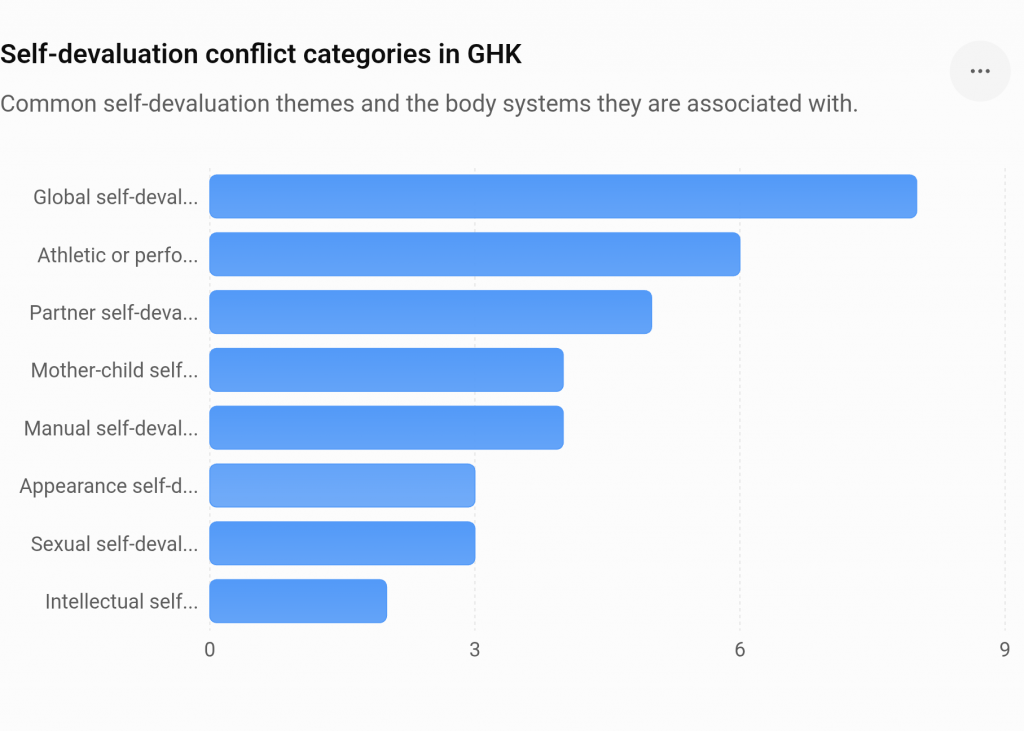
SELF-DEVALUATION CONFLICTS & THEIR BIOLOGICAL EXPRESSIONS
- 🧠 Intellectual → Skull, head region
- 🏃 Performance → Knees, legs, muscles, tendons
- 👩 Motherhood → Shoulders, upper back, lymph nodes
- ❤️ Partner Issues → Joints, muscles, connective tissue
- 🪞 Appearance → Connective tissue, fat tissue
- ✋ Manual/Work Related → Hands, wrists, arms
- 🤝 Relationship Rejection → Lymphatic system
- ♀️ Sexual Self-Worth → Pelvis, hips, reproductive support tissues
- 🌍 Global Worthlessness → Whole skeletal system
Healing Phase May Include:
- Pain
- Swelling
- Inflammation
- Fatigue
- Reduced mobility
- Tissue repair
Core Belief Behind All Self-Devaluation:
“I am not good enough.”
Questions to Explore:
- Where do I feel inadequate?
- Who made me question my worth?
- What burden have I been carrying alone?
- What expectation am I failing to meet?
1. Intellectual Self-Devaluation
Conflict
“I am stupid.”
“I cannot understand.”
Common Area
Skull bones
Possible Symptoms
- Head pain during healing
- Skull bone changes
- Scalp-related symptoms
2. Athletic or Performance Self-Devaluation
Conflict
“I am not strong enough.”
“I can’t perform.”
Common Areas
- Legs
- Knees
- Feet
- Muscles
Possible Symptoms
- Knee pain
- Muscle weakness
- Tendon issues
- Ligament problems
- Bone pain
3. Mother-Child Self-Devaluation
Conflict
“I am not a good mother.”
Common Areas
Breast-supporting tissues, shoulders, upper back
Possible Symptoms
- Shoulder pain
- Frozen shoulder
- Upper back tension
- Lymph node swelling
4. Partner Self-Devaluation
Conflict
“I failed my partner.”
Common Areas
Depending on handedness:
- Right side or left side of body
Possible Symptoms
- Joint pain
- Muscle pain
- Connective tissue issues
5. Appearance Self-Devaluation
Conflict
“I am unattractive.”
“I don’t like how I look.”
Common Areas
Skin-supporting tissues, connective tissue
Possible Symptoms
- Cellulite
- Fat accumulation
- Connective tissue changes
6. Manual Self-Devaluation
Conflict
“I can’t hold this together.”
“I failed with my hands.”
Common Areas
Hands and arms
Possible Symptoms
- Wrist pain
- Tendon issues
- Hand weakness
- Arm pain
7. Separation + Self-Devaluation
Can affect:
Lymph Nodes
Conflict:
“I am not good enough to maintain this relationship.”
Possible Symptoms:
- Enlarged lymph nodes
- Neck lymph node swelling
- Axillary lymph node swelling
- Groin lymph node swelling
8. Sexual Self-Devaluation
Conflict
“I am not desirable.”
“I am not feminine enough.”
“I am not masculine enough.”
Common Areas
Pelvis, reproductive-support tissues
Possible Symptoms
- Pelvic pain
- Hip issues
- Reproductive support tissue symptoms
9. Global Self-Devaluation
Conflict
“I am worthless.”
Common Areas
Whole skeletal system
Possible Symptoms
- Widespread pain
- Multiple joint symptoms
- Fibromyalgia-like presentations
- Chronic fatigue patterns
Healing Phase Symptoms
According to GHK, most symptoms appear when the conflict is resolved.
Healing may involve:
- Pain
- Swelling
- Inflammation
- Fluid retention
- Fatigue
- Reduced mobility
This is interpreted as tissue restoration.
Common Conditions Frequently Associated with Self-Devaluation in GHK
- Arthritis
- Osteoporosis
- Osteopenia
- Rheumatism
- Frozen shoulder
- Tendinitis
- Ligament injuries
- Cartilage degeneration
- Meniscus problems
- Back pain
- Neck pain
- Scoliosis-related conflicts
- Bone cysts
- Lymph node swelling
- Lipomas (depending on tissue involved)
- Connective tissue disorders
- Some forms of chronic muscle pain
Healers Connect Summary
Self-devaluation is one of the most common conflict themes in GHK. Whenever a person repeatedly feels inadequate, incapable, unworthy, weak, unattractive, rejected, or unable to meet expectations, the biological program often affects tissues derived from the new mesoderm—bones, muscles, tendons, ligaments, connective tissue, fat tissue, and lymphatic structures. The location of symptoms often reflects the specific area of life where the person feels they have “fallen short.”