What Is a Driving Phobia?
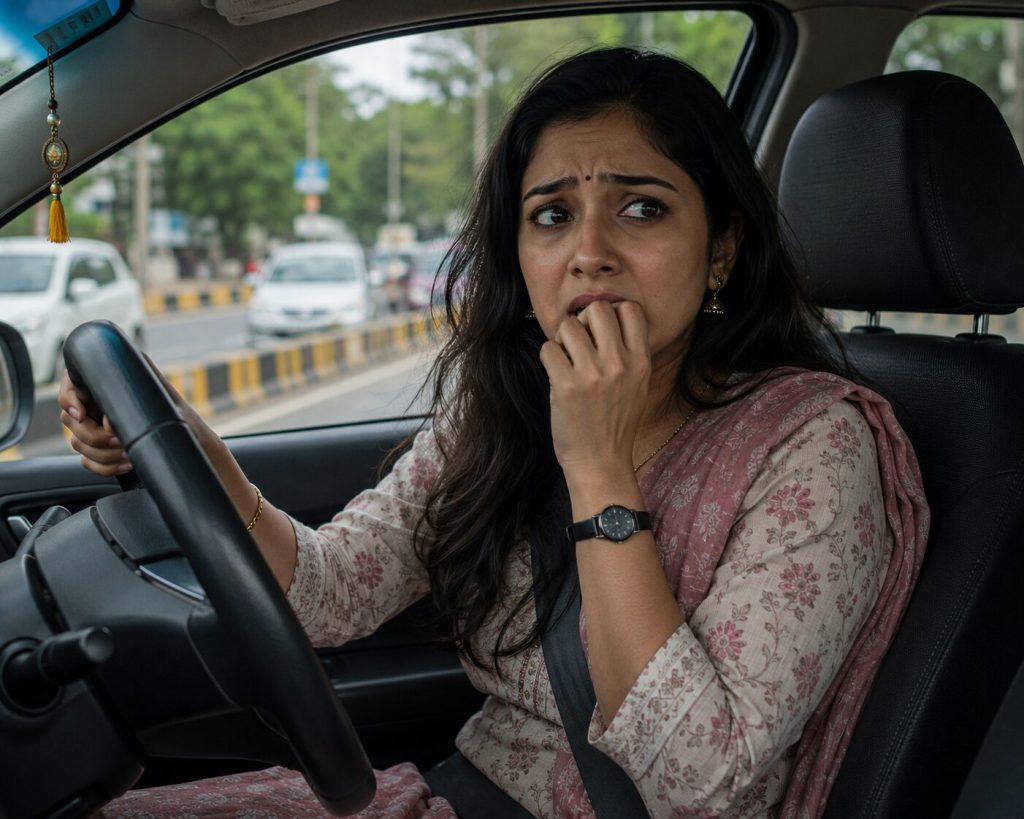
A driving phobia can range from mild anxiety behind the wheel to intense fear that prevents a person from driving altogether. Symptoms may include:
- Rapid heartbeat
- Sweating
- Panic attacks
- Fear of losing control
- Fear of causing harm
- Avoidance of driving situations
- Anxiety before or during travel
From a GHK perspective, the focus is not on the symptom itself but on identifying the specific emotional experience that the subconscious mind associates with driving.
The Biological Conflict Behind the Fear
GHK does not classify “driving phobia” as a single biological program. Instead, it explores the specific conflict shock that occurred before the fear developed.
Common themes may include:
Fright-Fear Conflict
A person may have experienced:
- A car accident
- A near miss
- Witnessing an accident
- Sudden loss of control while driving
- Seeing someone injured on the road
The subconscious may continue to associate driving with danger long after the event has passed.
Territorial Fear Conflict
Examples include:
- Fear of busy highways
- Fear of traffic
- Feeling unsafe in unfamiliar locations
- Fear of being trapped in traffic
The person may feel vulnerable when entering situations perceived as outside their control.
Separation or Loss Conflict
Sometimes the fear develops after:
- An accident involving a loved one
- Loss of a family member through a road accident
- Receiving distressing news while travelling
The emotional association remains linked to driving.
The Role of Conflict Tracks
One of the most important concepts in GHK is the idea of conflict tracks.
A track is anything associated with the original conflict shock that later acts as a reminder.
For driving phobia, tracks may include:
- Sitting in the driver’s seat
- The smell of a car
- Traffic sounds
- A specific road
- High speeds
- Rainy weather
- Highways
When the track is activated, the subconscious responds as if the original danger is still present.
Questions Often Explored
To understand a driving phobia, one might ask:
- When did the fear first begin?
- What was happening in life at that time?
- Was there an accident or near miss?
- Did I witness something frightening on the road?
- What specific situation feels dangerous?
- What is the worst thing I imagine could happen?
The answers often reveal the emotional conflict linked to the fear.
Beyond the Event
In some cases, the conflict is not actually about driving.
The car may symbolize:
- Independence
- Responsibility
- Freedom
- Adulthood
- Control
A person may unconsciously fear what driving represents rather than driving itself.
A GHK-Oriented Approach
The goal is not to force the fear away but to identify the original conflict, understand its biological significance, and help the individual see that the danger has passed.
As the emotional charge surrounding the original event dissolves, many people notice that the intensity of the fear decreases naturally.
Final Thoughts
From a GHK perspective, a driving phobia is often linked to a previous fright-fear conflict, territorial fear conflict, loss experience, or conflict track associated with driving. By identifying the original emotional shock and resolving its impact, it becomes possible to approach driving with greater confidence, safety, and peace of mind.
Rather than asking, “How do I get rid of this fear?” the more useful question may be, “What experience taught my subconscious that driving was dangerous in the first place?”
GHK च्या दृष्टिकोनातून वाहन चालवण्याची भीती (Driving Phobia) समजून घेणे
वाहन चालवण्याची भीती म्हणजे काय?
काही लोकांना वाहन चालवताना किंवा वाहन चालवण्याचा विचार जरी केला तरी भीती, घबराट किंवा अस्वस्थता जाणवते. ही भीती सौम्य असू शकते किंवा इतकी तीव्र असू शकते की व्यक्ती पूर्णपणे वाहन चालवणे टाळते.
लक्षणांमध्ये:
- हृदयाचे ठोके वाढणे
- घाम येणे
- घबराट (Panic)
- नियंत्रण सुटण्याची भीती
- अपघात होण्याची भीती
- वाहन चालवणे टाळणे
- प्रवासापूर्वी चिंता वाटणे
GHK च्या दृष्टीने ही भीती स्वतःमध्ये समस्या नसून, ती एखाद्या जुन्या भावनिक धक्क्याची किंवा अनुभवाची आठवण असते.
या भीतीमागील भावनिक संघर्ष
GHK मध्ये “ड्रायव्हिंग फोबिया” असा स्वतंत्र कार्यक्रम नाही. त्याऐवजी त्या भीतीमागील मूळ भावनिक अनुभव शोधला जातो.
फ्राईट-फिअर (Fright-Fear) संघर्ष
उदाहरणार्थ:
- वाहन अपघात अनुभवणे
- अपघात होताना पाहणे
- वाहनावरील नियंत्रण गमावणे
- अचानक जीवाला धोका वाटणे
- जवळपास झालेला अपघात
अशा प्रसंगी मन आणि शरीर वाहन चालवण्याला धोक्याशी जोडून ठेवतात.
टेरिटोरियल फिअर (Territorial Fear) संघर्ष
उदाहरणार्थ:
- गर्दीच्या रस्त्यांची भीती
- महामार्गांची भीती
- ट्रॅफिकमध्ये अडकण्याची भीती
- अनोळखी ठिकाणी वाहन चालवण्याची भीती
व्यक्तीला परिस्थितीवर नियंत्रण नसल्याची भावना निर्माण होते.
नुकसान किंवा विभक्त होण्याचा संघर्ष
कधी कधी:
- रस्ते अपघातात जवळच्या व्यक्तीला गमावणे
- प्रवासादरम्यान धक्कादायक बातमी मिळणे
- वाहनाशी संबंधित वेदनादायक आठवणी
यामुळे वाहन चालवण्याशी भीतीची जोड निर्माण होते.
कॉन्फ्लिक्ट ट्रॅक्स म्हणजे काय?
GHK मधील एक महत्त्वाची संकल्पना म्हणजे “ट्रॅक्स”.
मूळ संघर्षाच्या वेळी उपस्थित असलेली कोणतीही गोष्ट नंतर त्या संघर्षाची आठवण करून देऊ शकते.
उदाहरणार्थ:
- ड्रायव्हर सीटवर बसणे
- कारचा वास
- हॉर्न किंवा ट्रॅफिकचा आवाज
- एखादा विशिष्ट रस्ता
- पावसाळी हवामान
- जास्त वेग
अशा गोष्टी पुन्हा अनुभवताना शरीर आणि मन जणू मूळ धोकाच पुन्हा समोर आल्यासारखी प्रतिक्रिया देतात.
विचार करण्यासारखे प्रश्न
- ही भीती प्रथम कधी सुरू झाली?
- त्या काळात माझ्या आयुष्यात काय घडत होते?
- काही अपघात किंवा धक्कादायक घटना घडली होती का?
- मला वाहन चालवताना नेमकी कोणती गोष्ट घाबरवते?
- माझ्या मनात सर्वात वाईट काय घडू शकते असे वाटते?
या प्रश्नांची उत्तरे अनेकदा मूळ संघर्षापर्यंत पोहोचण्यास मदत करतात.
कधी कधी भीती वाहनाची नसते
वाहन हे अनेकदा प्रतीक असू शकते:
- स्वातंत्र्य
- जबाबदारी
- नियंत्रण
- आत्मविश्वास
- जीवनातील पुढचा टप्पा
म्हणून व्यक्तीला वाहन चालवण्याची नव्हे तर त्यामागील जबाबदारी किंवा बदलाची भीती असू शकते.
GHK चा दृष्टिकोन
या भीतीशी लढण्याऐवजी तिच्या मुळाशी जाणे महत्त्वाचे मानले जाते.
जेव्हा मूळ भावनिक अनुभव ओळखला जातो आणि त्याची तीव्रता कमी होते, तेव्हा वाहन चालवण्याची भीतीही नैसर्गिकरीत्या कमी होऊ शकते.
शेवटचा विचार
GHK च्या दृष्टिकोनातून वाहन चालवण्याची भीती ही अनेकदा एखाद्या जुन्या भीतीदायक अनुभवाची, नुकसानाची किंवा धोक्याच्या भावनेची आठवण असते. त्या अनुभवाला समजून घेणे आणि त्याचे भावनिक निराकरण करणे हा या भीतीतून बाहेर पडण्याचा महत्त्वाचा मार्ग ठरू शकतो.
एक उपयुक्त प्रश्न असा आहे:
“जर मला आत्ता एकट्याने वाहन चालवावे लागले, तर मला नेमकी कोणती गोष्ट घडण्याची भीती वाटते?”
याचे उत्तर बहुतेक वेळा मूळ संघर्षाकडे निर्देश करते.