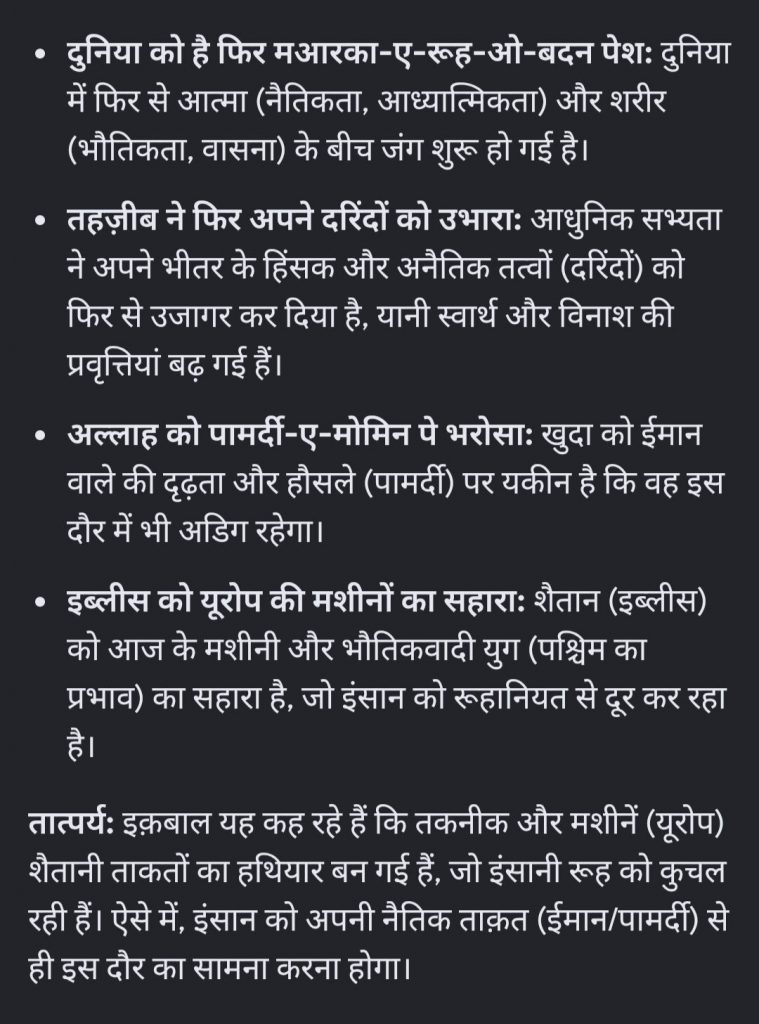
दुनिया को है फिर मआरका-ए रूह-ओ-बदन पेश तहज़ीब ने फिर अपने दरिंदों को उभारा अल्लाह को पामर्दी-ए मोमिन पे भरोसा इब्लीस को यूरोप की मशीनों का सहारा. Allama Iqbal
I once traced these ideas back through conversations with a historian whose understanding of history differed greatly from what is commonly taught in books. He spoke about how, for thousands of years, certain groups and power structures have pursued control through secrecy, manipulation, ritualism, and the pursuit of material power.
He connected this perspective to the story of Prophet Yusuf (Joseph, peace be upon him) in Egypt. According to his understanding, the story was not only spiritual but also represented a shift away from centralized systems of control tied to false gods and toward a more sustainable and decentralized agricultural model inspired by divine wisdom.
He reflected on how the coming famine exposed the fragility of existing systems, while Prophet Yusuf prepared the people through conservation methods revealed to him through divine guidance. Grain was preserved with its husk intact for seven years and stored on a massive scale in preparation for the difficult years ahead. For him, this represented wisdom, foresight, and alignment with nature rather than dependence on fear and power.
Our conversations often moved toward the idea that throughout history there have always been people who seek control through greed, manipulation, and exploitation, while others seek peace, truth, and alignment with the Divine. He believed many modern systems are still driven by illusion, attachment, and excessive materialism.
At times, I would ask him what could be done about it all. His response, despite being rooted in his Islamic faith, often drew from the wisdom found across traditions. He would say: “What would Krishna do?” He reflected on the story of Dwarka sinking beneath the sea, explaining that Krishna did not desperately try to control the unfolding of destiny, because existence itself is part of God’s leela — the divine play.
According to him, those who commit wrongdoing will ultimately face judgment for their actions. Our task is not to become consumed by hatred or obsession with fighting darkness, but instead to cultivate inner peace, awareness, and detachment from systems rooted in moh and maya — illusion and attachment. He believed that if we become too consumed with changing others through anger and force, we risk becoming like the very things we oppose.
What should we do then, I sometimes wonder. Yet I did not ask him that question, because somewhere in my heart I already know the answer. Arjun must have felt the same in Mahabharata.
We must prepare on the ground, just as Prophet Yusuf (peace be upon him) prepared during the years of abundance before the famine arrived. We must rebuild resilience, preserve what is natural, cultivate community, protect seeds, learn self-sufficiency, and live closer to Divine wisdom rather than dependency on centralized systems.
And if one day those systems fail to provide, those who prepared with awareness, patience, and faith will still have plenty to share.
For me, 2030 feels like one such window in history — a period that may test humanity’s dependence on centralized structures and invite many people back toward simpler, grounded, and more conscious ways of living.
based on true story
Click on the WhatsApp icon below to show your interest in Decentralisation of Health, Farming and Birth