Can Emotional Understanding Prevent Student Suicides in Coaching Hubs Like Kota?
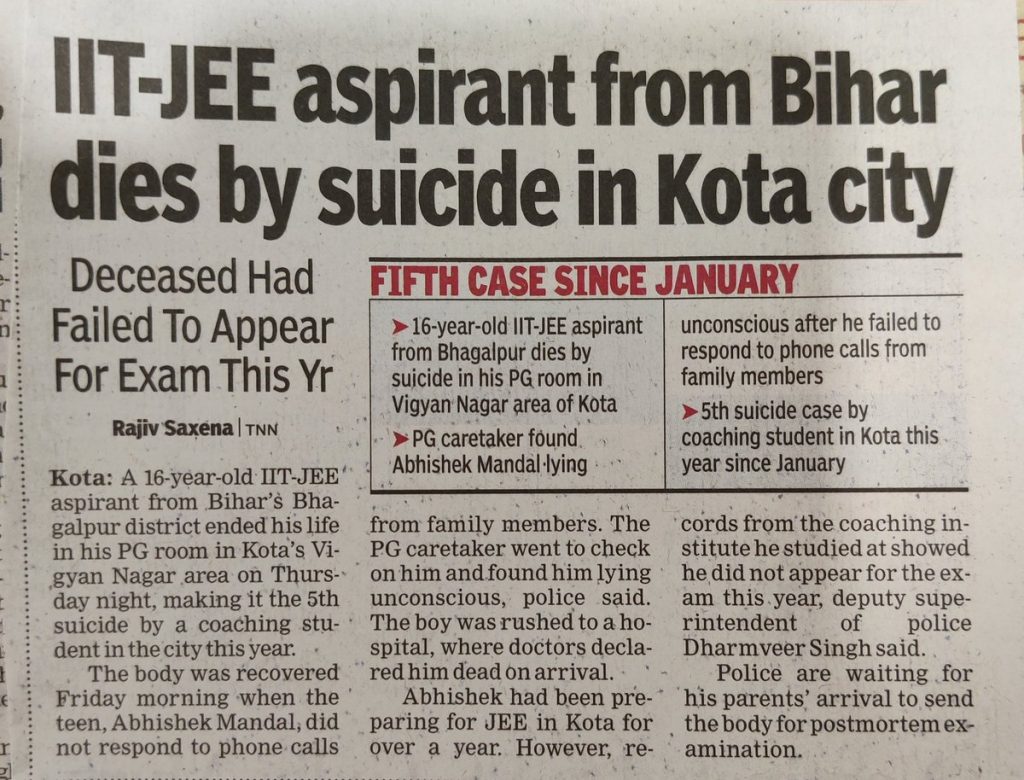
A Growing Crisis
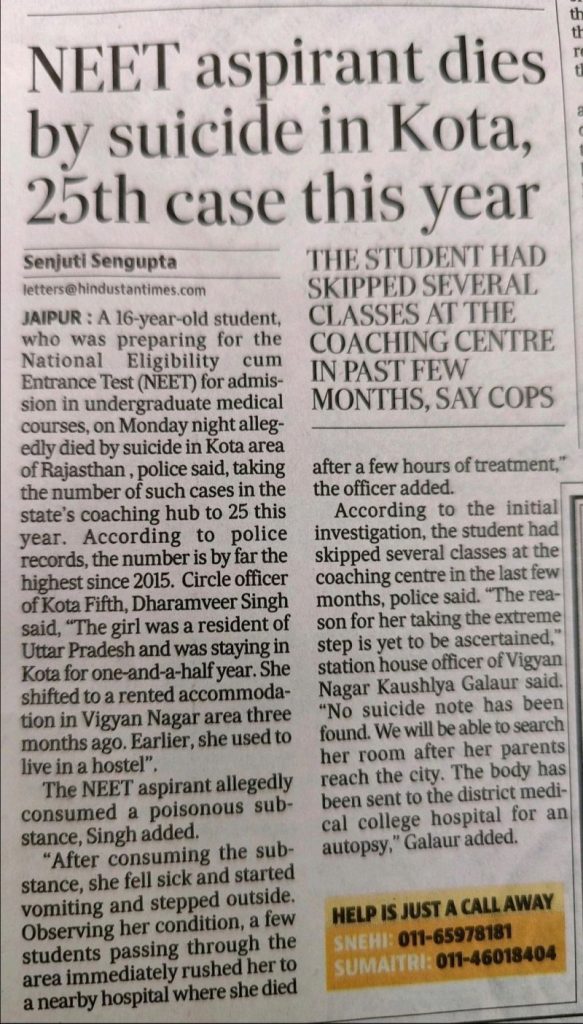
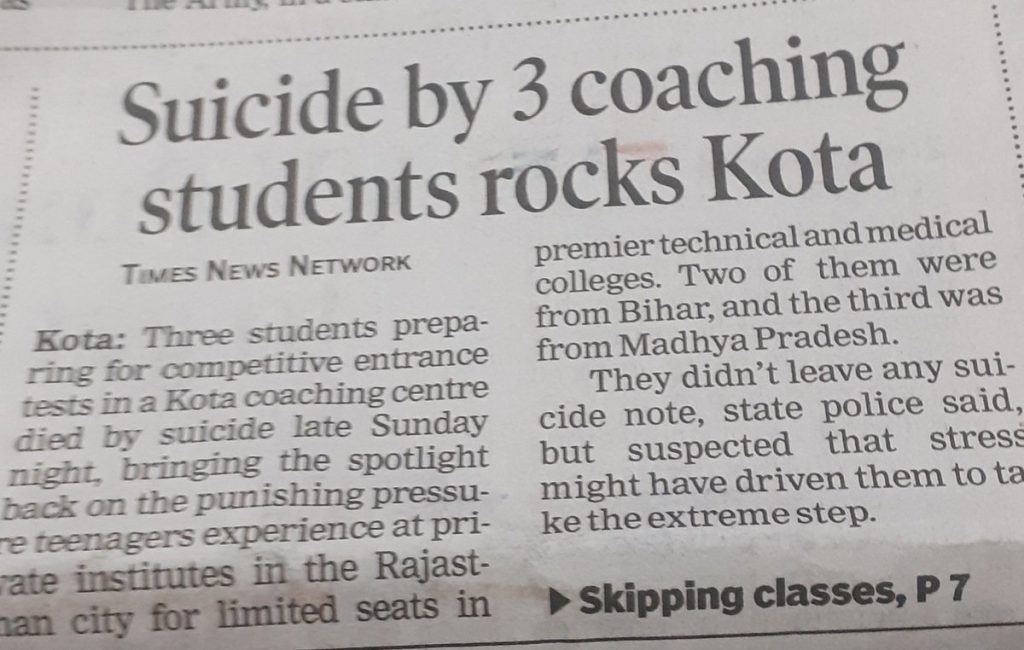
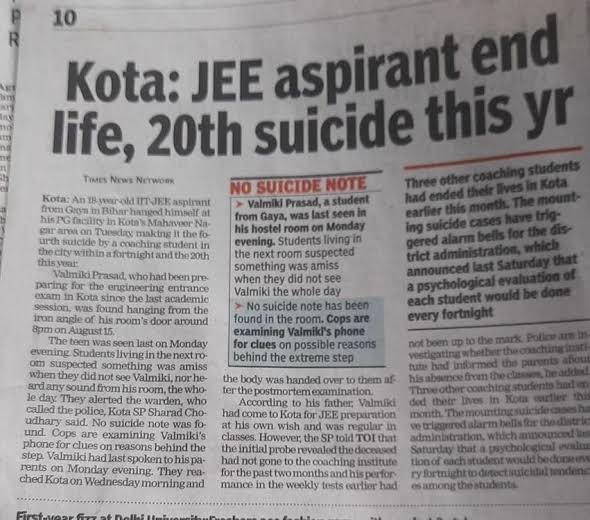
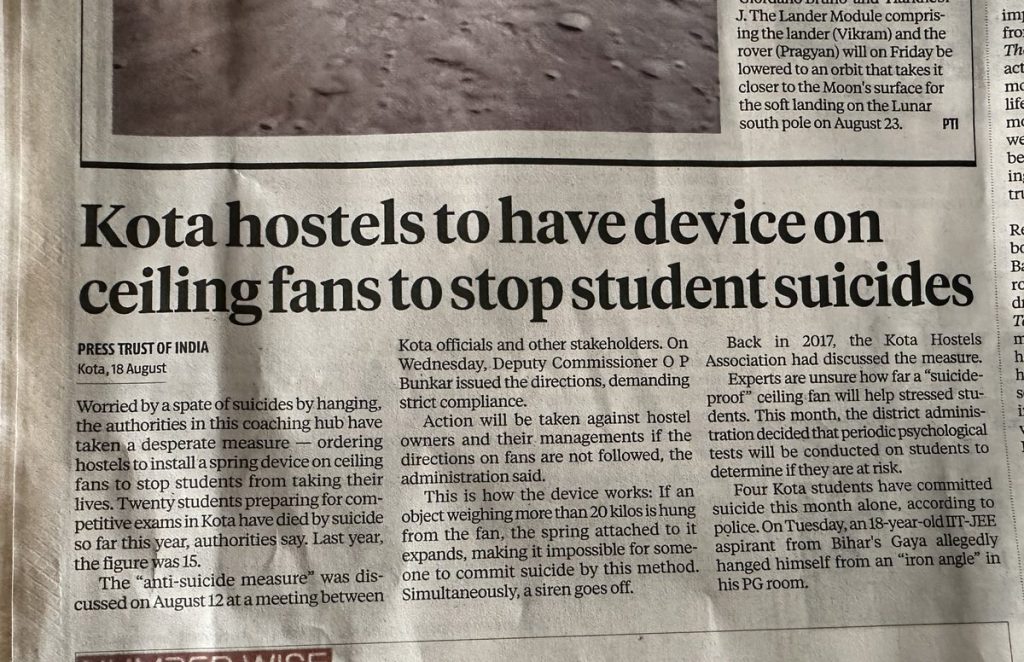
Cities like Kota have become symbols of intense academic competition. Every year, thousands of students arrive with dreams of becoming doctors, engineers, and high achievers. Yet alongside ambition, there has also been a deeply concerning rise in emotional breakdowns, anxiety, depression, and student suicides.
Conventional approaches often focus on:
- performance pressure
- mental health labels
- counselling after crisis
- medication or monitoring
But what if the deeper issue begins much earlier — at the level of emotional shock, isolation, and unresolved inner conflict?
This is where Germanic Healing Knowledge (GHK) offers a different lens.
Understanding Suicide Through GHK
In GHK, emotional suffering is not seen as random “mental illness,” but as the result of intense biological conflicts affecting the psyche, brain, and body simultaneously.
Dr. Hamer described certain emotional states as brain constellations — situations where multiple unresolved conflicts affect both hemispheres of the brain at the same time.
One such constellation discussed in GHK literature is associated with:
- hopelessness
- emotional entrapment
- severe inner isolation
- loss of meaning
- inability to see a way forward
These states can emerge when students experience repeated emotional shocks without emotional resolution or support.
What Students in Coaching Environments Often Experience
From a GHK perspective, many students may silently go through:
Territorial Fear Conflicts
- fear of failure
- fear of disappointing parents
- fear of losing status or identity
Self-Devaluation Conflicts
- “I am not good enough”
- comparison with peers
- feeling intellectually inferior
Separation Conflicts
- homesickness
- emotional isolation
- lack of emotional connection
Motor Conflicts
- feeling trapped
- “I cannot escape this life”
- helplessness under pressure
When these conflicts accumulate without resolution, the nervous system can remain in chronic survival mode.
Why Punishment, Pressure & Fear Make Things Worse
Many educational systems unknowingly intensify these biological conflicts through:
- constant comparison
- humiliation
- unrealistic expectations
- fear-based motivation
- emotional neglect
A student may appear “lazy” or “unfocused,” while internally experiencing overwhelming biological stress.
From the GHK lens:
The issue is not lack of capability — but unresolved emotional conflict.
Can Coaching Institutes Prevent Suicide?
From a GHK perspective, prevention begins not with surveillance — but with emotional safety.
The goal should be:
Creating an environment where conflicts resolve quickly instead of accumulating.
What Coaching Institutes Can Do
1. Replace Fear-Based Motivation
Students perform better when they feel:
- safe
- supported
- emotionally seen
Fear may produce short-term performance but creates long-term biological stress.
2. Emotional Counselling & Conflict Resolution
Institutes can integrate:
- emotional awareness sessions
- subconscious reprogramming
- safe sharing spaces
- one-on-one emotional counselling
Helping students identify emotional overwhelm early can prevent deeper crises.
3. Remove Humiliation-Based Teaching
Public comparison, shame, and emotional humiliation can deeply affect self-worth conflicts.
Teachers must be trained to:
- correct without shaming
- motivate without fear
- support without judgment
4. Teach Students How the Mind & Body Respond to Stress
Understanding the psyche–brain–body connection itself can reduce fear.
When students realize:
- emotional stress affects biology
- symptoms are meaningful responses
- overwhelm can be resolved
they often feel less trapped and hopeless.
5. Build Human Connection
Many struggling students do not need more information — they need:
- emotional connection
- belonging
- reassurance
- someone who truly listens
A connected nervous system heals more easily than an isolated one.
The GHK Perspective on True Prevention
From this understanding, suicide prevention is not merely about:
- restricting methods
- increasing discipline
- monitoring behavior
It is about:
reducing unresolved emotional shocks before they accumulate into hopelessness.
Toward a “Zero Suicide” Educational Model
A truly healthy educational environment would prioritize:
- emotional wellbeing
- human dignity
- self-worth
- nervous system regulation
- authentic support
alongside academic excellence.
Because a student who feels emotionally safe learns better, heals better, and lives better.
Final Thought
Germanic Healing Knowledge invites us to see student suffering differently:
Behind every breakdown is often an unresolved emotional conflict that was never truly seen.
If educational institutions begin addressing the emotional roots of stress instead of only the symptoms, cities like Kota could transform from centers of pressure into environments of growth, resilience, and genuine wellbeing.
References
learninggnm.com – GNM Therapy Principles
learninggnm.com – Brain Constellations
learninggnm.com – Territorial, Separation & Self-Devaluation Conflict SBS