ADHD – GHK Perspective
(Based on learninggnm.com principles and brain constellation concepts)
A Different Understanding
In conventional medicine, Attention Deficit Hyperactivity Disorder (ADHD) is considered a neurodevelopmental disorder involving attention difficulty, impulsivity, and hyperactivity.
In Germanic Healing Knowledge (GHK), ADHD is not described as a standalone disease category. Instead, behaviors associated with ADHD are understood through:
- brain constellations
- unresolved biological conflicts
- hypervigilance and survival adaptation
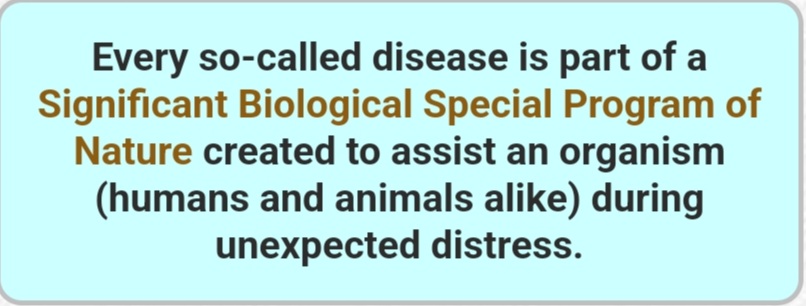
GHK interprets these patterns as meaningful responses of the organism rather than defects.
1. Brain Constellation Perspective
According to learninggnm.com, when multiple conflicts affect both hemispheres of the brain, a person can enter a constellation state.
In children especially, this may appear as:
- inability to settle
- scattered attention
- impulsive behavior
- hyperactivity
- emotional volatility
👉 From a GHK perspective, the child is often in a state of:
heightened biological alertness
rather than “disorder.”
2. Common Conflict Themes Linked to ADHD-like Behavior
GHK practitioners often associate ADHD patterns with combinations of:
👉 Fright/Fear Conflicts
- sudden scares
- unstable environments
- loud conflict at home
👉 Territorial Fear or Insecurity
- feeling unsafe
- unpredictability in surroundings
👉 Separation Conflicts
- emotional disconnection
- lack of secure bonding
👉 Motor Conflicts
- “I cannot move / escape” conflicts
- internal agitation and restlessness
3. Hyperactivity in GHK
From this perspective:
- Hyperactivity is interpreted as a survival adaptation
- The nervous system remains in:
- heightened alertness
- scanning mode
- movement readiness
👉 The child may biologically feel:
“I must stay alert all the time.”
4. Attention Difficulties
GHK would interpret attention problems not as “deficit,” but as:
- difficulty relaxing out of survival mode
- brain focus shifting rapidly toward possible threats or stimuli
The child is often:
- overstimulated
- emotionally unresolved
- unable to fully enter calm parasympathetic regulation
5. Why Symptoms Persist
Persistent ADHD patterns may reflect:
👉 Ongoing conflict activity
or
👉 Constant conflict relapses (tracks)
Triggers can include:
- school pressure
- punishment
- emotional tension at home
- overstimulation from screens/environment
Each trigger reinforces the alert state.
6. GHK Approach to Resolution
GHK focuses on resolving the underlying emotional environment rather than suppressing behavior.
Key areas:
- restoring emotional safety
- reducing fear and pressure
- strengthening secure connection
- understanding the child’s emotional experience
7. Important Insight
GHK views many childhood behavioral conditions as:
meaningful adaptations to emotional and environmental stress.
The emphasis shifts from:
- “What is wrong with the child?”
to - “What unresolved conflicts is the child responding to?”
Conclusion
From a GHK perspective, ADHD-like behaviors are understood as expressions of:
- brain constellation states
- unresolved fear, separation, or motor conflicts
- heightened biological alertness
Rather than pathology, the behavior is viewed as the organism’s attempt to adapt and survive.
Reference
learninggnm.com – Brain Constellations, Territorial & Motor Conflict principles