– Germanic Healing Knowledge (GHK) Perspective with Case Studies
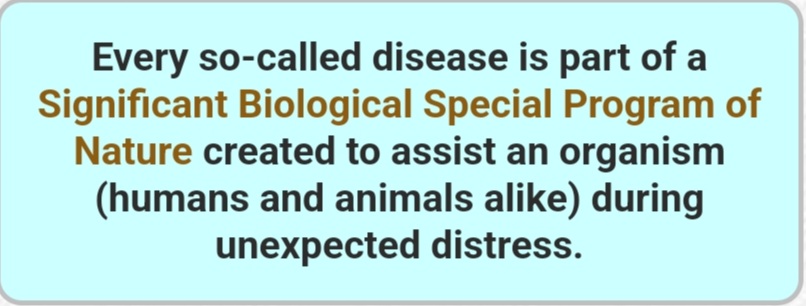
Psoriasis is a chronic skin condition characterized by red, scaly plaques, often appearing on the elbows, knees, scalp, hands, or lower back. Conventional medicine describes psoriasis as an autoimmune disorder involving rapid skin cell turnover and inflammation.
From the perspective of Germanic Healing Knowledge (GHK), proposed by Dr. Ryke Geerd Hamer, psoriasis is interpreted through the interaction of two biological programs of the skin occurring simultaneously.
This phenomenon is often referred to in GHK as a constellation of skin programs involving both the epidermis (ectoderm) and the corium (dermis).
Skin Layers and Their Biological Conflicts
1. Epidermis (Outer Skin Layer)
Controlled by the cerebral cortex.
Conflict theme:
Separation conflict.
Examples include:
- loss of physical contact with someone
- separation from loved ones
- rejection or abandonment
- separation from home or familiar surroundings
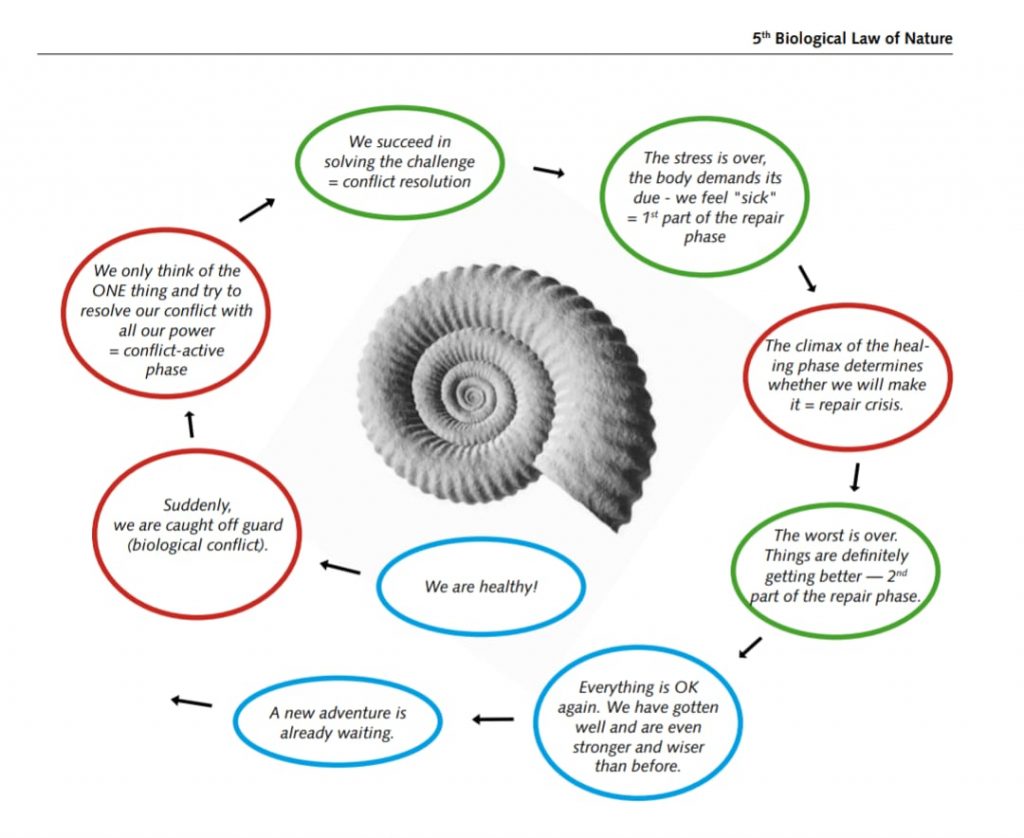
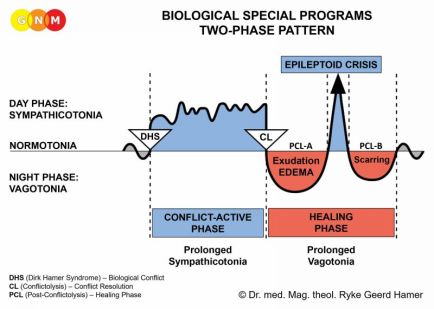
During the conflict-active phase, the epidermis develops microscopic ulceration, making the skin thin and dry.
During healing, redness, inflammation, and itching appear.
2. Corium (Dermis)
Controlled by the cerebellum.
Conflict theme:
Attack or defilement conflict.
Examples include:
- feeling insulted or attacked
- humiliation
- feeling “soiled” or degraded
- feeling one’s integrity has been violated
During the conflict-active phase, this layer produces thickening and protective skin growth.
Why Psoriasis Occurs (GHK Explanation)
Psoriasis is interpreted as occurring when:
- the separation conflict repeatedly activates and resolves, while
- the attack/defilement conflict remains active or fluctuates.
The combination produces the characteristic:
- thickened skin
- redness
- scaling plaques
This dual activity gives psoriasis its persistent appearance.
Common Emotional Themes Linked to Psoriasis
GHK practitioners often observe patterns such as:
- feeling rejected and insulted simultaneously
- wanting separation from someone but also feeling attacked by them
- conflict between closeness and protection
For example:
“I want distance from this person, but their behavior still hurts or attacks me.”
This emotional ambivalence can keep both biological programs active.
Locations of Psoriasis and Possible Meanings
The location of lesions sometimes reflects the context of the conflict.
Examples often discussed in GHK teachings:
- Hands: separation from someone you want to hold or touch
- Elbows: difficulty pushing someone away or defending boundaries
- Scalp: identity conflicts or humiliation affecting self-image
- Back: feeling attacked behind one’s back
Case Studies Discussed in GHK Literature
Case Study 1 – Divorce and Skin Plaques
A woman developed psoriasis on her arms shortly after a difficult divorce.
Conflict experience
- separation from spouse
- feeling betrayed and emotionally attacked
According to GHK interpretation:
- separation conflict affected the epidermis
- attack conflict activated the dermis
As long as emotional triggers related to the divorce remained active, psoriasis plaques persisted.
When the emotional situation stabilized, the plaques gradually improved.
Case Study 2 – Workplace Humiliation
A man developed psoriasis on his elbows after repeated humiliation from his supervisor.
Conflict context
- feeling attacked and degraded
- wanting to distance himself from the environment but unable to leave
The elbows, symbolically associated with defense and pushing away, developed plaques.
After changing jobs and resolving the emotional stress, symptoms reportedly reduced.
Case Study 3 – Childhood Separation Conflict
A teenager developed psoriasis on the scalp after being sent to boarding school.
Conflict experience
- separation from parents and home
- feeling emotionally attacked by strict school discipline
According to the GHK interpretation, the dual conflict produced chronic skin symptoms.
When the teenager later returned home and regained a sense of safety, the skin condition improved.
Why Psoriasis Often Becomes Chronic
Psoriasis can persist when the conflicts remain unresolved or repeatedly triggered.
Examples include:
- ongoing relationship conflict
- continued exposure to humiliating environments
- unresolved emotional memories
Each trigger can reactivate the biological program.
Laterality in GHK
GHK also considers biological handedness when interpreting symptoms.
For a right-handed person:
- Right-side skin symptoms may relate to partner conflicts (spouse, colleagues)
- Left-side symptoms may relate to mother/child relationships
This mapping is widely discussed in seminars by Helmut Pilhar.
Reflective Questions in the GHK Approach
To explore the context of psoriasis:
- When did the first lesion appear?
- Was there a separation from someone important?
- Did you simultaneously feel attacked or humiliated?
- Are there situations that trigger flare-ups?
Understanding the emotional circumstances around symptom onset is considered central to the GHK framework.
Summary
From a Germanic Healing Knowledge perspective:
- Psoriasis results from simultaneous or alternating skin conflicts involving separation and attack.
- Epidermal separation conflicts produce ulceration and later inflammation.
- Dermal attack conflicts produce thickened protective skin.
- Repeated emotional triggers can maintain the condition.
This interpretation views psoriasis as a biological response linked to emotional experiences rather than an autoimmune malfunction.