How Unresolved Conflicts Disrupt the Heart-Brain Connection
Traditional medicine has often viewed the heart simply as a blood pump, but scientific research now confirms that it possesses a unique intelligence of its own. This “little brain” in the heart consists of approximately 40,000 neurons that can process, learn, and remember independently of the head-brain. Crucially, the heart sends more information to the brain than it receives, meaning the state of your heart significantly influences your mental and emotional well-being.
Unresolved Conflicts and Biological Stress
When emotional shocks or conflicts—such as the “Self-Devaluation” or “Separation” conflicts discussed in Germanic Healing Knowledge (GHK)—remain unresolved, the body stays in a “conflict-active” phase. In this state, the nervous system is under constant pressure, which manifests physiologically as a disruption in the communication between the heart and brain.
According to GHK, these conflicts are not just “in the mind”; they trigger specific biological programs, such as the weakening of the jaw bone when one feels unable to “bite back” or defend themselves. When these emotional wounds are suppressed rather than resolved, the resulting chronic stress prevents the body from entering the necessary healing phase.
The Cost of Incoherence
When we are bogged down by unresolved stress, worry, or frustration, the heart’s rhythm pattern becomes jagged and irregular. This state is known as incoherence. This “noise” in the nervous system leads to several negative effects:
- Cortical Inhibition: The jagged rhythms cause neurons in the brain to get out of sync, impairing higher mental functions.
- Mental Fog: This incoherence makes it difficult to focus, listen deeply, remember information, or make clear decisions.
- Systemic Imbalance: Chronic incoherence triggers the release of stress hormones, constricts blood vessels, and increases blood pressure, which can eventually lead to physical disease.
Restoring Coherence: The Path to Healing
Restoring health requires more than just addressing physical symptoms; it involves resolving the underlying emotional root and shifting the heart into a state of coherence. Coherence occurs when the heart, mind, and emotions are in energetic alignment and cooperation.
When we intentionally activate positive heart qualities—such as appreciation, compassion, or love—the heart’s rhythm shifts into a smooth, sine-wavelike pattern. This state, called cortical facilitation, calms the body’s systems and allows for:
- Enhanced Mental Clarity: Improved learning, creative problem-solving, and better decision-making.
- Biological Resolution: In the GHK framework, resolving the emotional conflict allows the body to complete its biological program and enter the healing phase, where tissue is reconstructed and balance is restored.
- Resilience: Practice in maintaining heart coherence increases your baseline resilience, helping you maintain poise and self-security during future challenges.
Practical Tools for Alignment
Research suggests we do not have to wait for external circumstances to change to feel better; we can choose to re-train our heart’s habits.
- Focused Awareness: Bring your attention to your heart and breathe slowly and deeply, such as using the 4-7-8 relaxing breath technique.
- Activate Positive Emotions: Sincererly bring to mind a feeling of love or gratitude for someone or something in your life.
- Conflict Resolution: As noted in our previous discussion on EFT (Tapping), identifying the specific moment of a conflict shock (DHS) and reframing the situation can help release the “track” or emotional trigger that maintains the stress response.
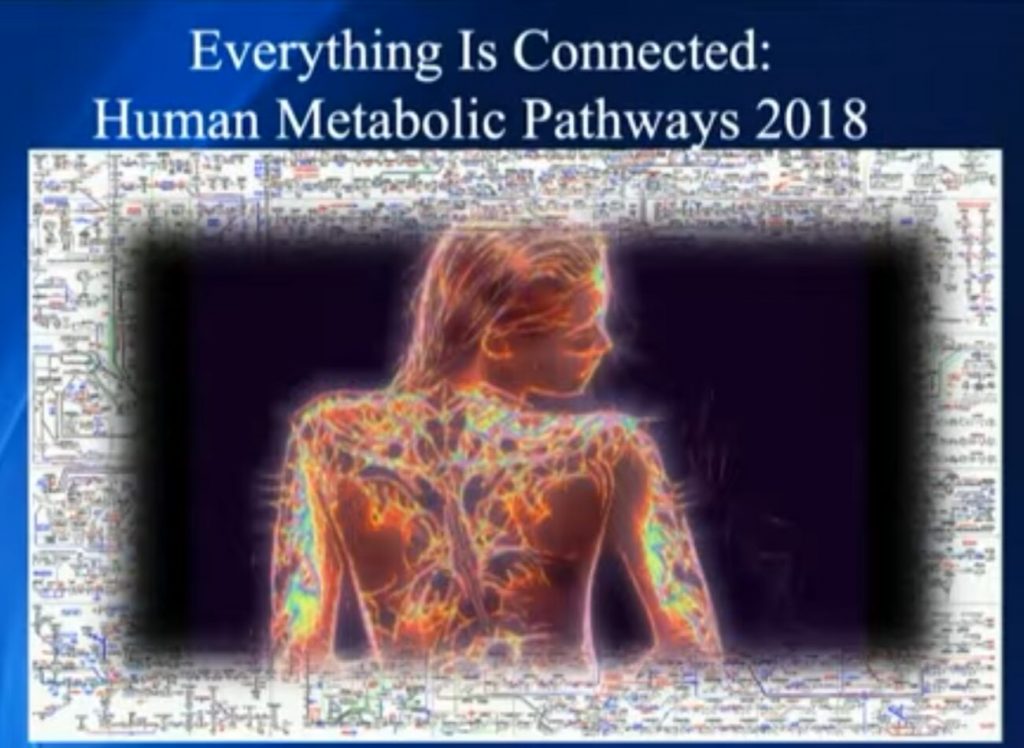
By addressing suppressed conflicts and intentionally cultivating heart coherence, we can bridge the gap between emotional health and physical vitality, allowing the heart and brain to work in a “complex dance” of harmony.
Learn more about it from the video below.