GHK Perspective of Myopia (Nearsightedness)
According to learninggnm.com, myopia can relate to different eye structures, and therefore the conflict theme depends on which tissue is involved. (Learning GNM)
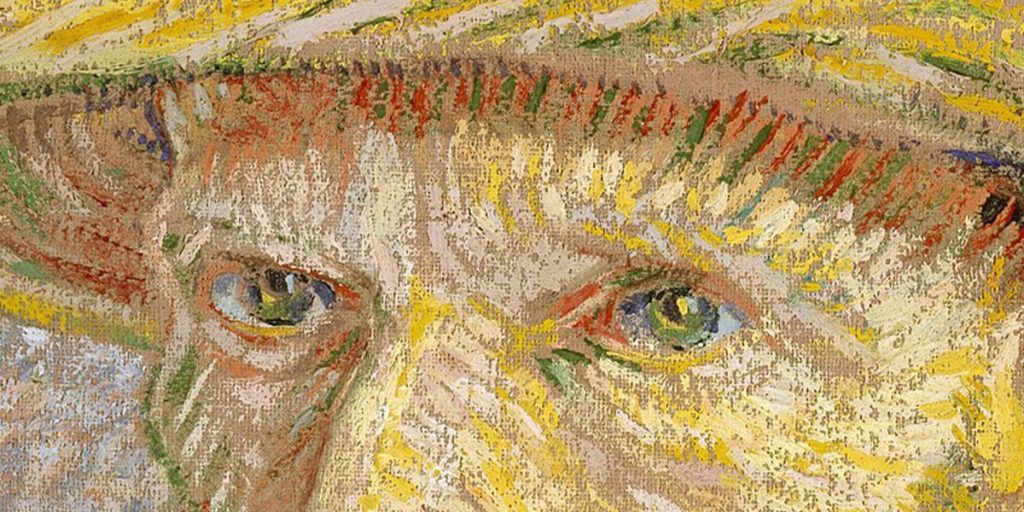
The most accurate root conflicts mentioned are:
1. Striated Ciliary Muscles
This is one of the clearest associations with nearsightedness/myopia.
The biological conflict is:
“Not being able to see what is in the distance”
or
“Not wanting to see what is in the distance” (Learning GNM)
Examples from learninggnm.com include:
- not being permitted to go somewhere far away
- someone leaving
- inability to identify something far away
- not wanting to see the future or what lies ahead
This is directly connected to distance vision.
2. Retina Conflict
The retina is linked to:
“A fear that cannot be shaken off” (Learning GNM)
Examples:
- fear of punishment
- fear of losing someone
- fear of danger
- persistent anticipatory fear
This can contribute to vision disturbances involving the retina.
3. Vitreous Body Conflict
The vitreous body is linked to:
“Fear of a predator” or someone “breathing down one’s neck” (Learning GNM)
Examples:
- pressure from authority
- fear of an abuser
- feeling pursued or pressured
This more specifically relates to:
- glaucoma
- tunnel vision
- vitreous issues
—not necessarily primary myopia itself.
So the Earlier “Predator Fear = Myopia” Was Incomplete
The more precise GHK explanation for myopia/nearsightedness from learninggnm.com is:
👉 “Not being able to see far”
or
👉 “Not wanting to see far away”
Symbolically this may relate to:
- future fear
- avoidance of what lies ahead
- separation from someone going away
- emotional resistance to distant situations
Key GHK Insight
GHK views the eyes as biologically adapting to emotional perception.
So myopia is interpreted as:
A meaningful adaptation related to distance perception and emotional conflict connected to “far away.”
Main References
SBS Index – Myopia (Ciliary Muscles / Retina) (Learning GNM)
Eyes – learninggnm.com (Learning GNM)