Stroke & Paralysis – GHK Perspective
A Different Understanding
In conventional medicine, a stroke is understood as a sudden interruption or rupture of blood supply to the brain, often resulting in paralysis or loss of function.
In Germanic Healing Knowledge (GHK), stroke and paralysis are interpreted through the psyche–brain–organ connection, particularly involving:
- the motor cortex
- territorial conflicts
- motor conflicts
- the healing phase and epileptoid crisis
1. Paralysis – The Core Motor Conflict
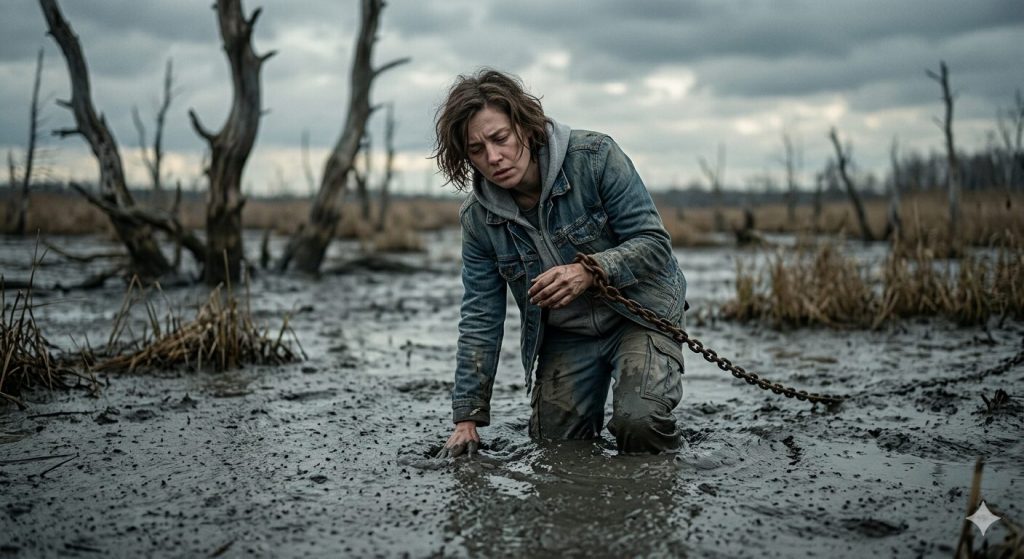
According to learninggnm.com, paralysis is linked to a:
Motor Conflict
Experienced as:
- “I cannot move”
- “I cannot escape”
- “I am trapped”
- “I feel powerless”
This sudden emotional shock affects the motor cortex relay controlling specific muscles.
Conflict-Active Phase
During active conflict:
- movement is impaired
- weakness or paralysis appears
- voluntary motion decreases
This phase is often relatively painless.
The body biologically enters a “freeze” response.
2. Stroke in GHK
GHK often interprets a stroke as part of the:
Healing Phase / Epileptoid Crisis
After the motor conflict resolves:
- the brain begins repair
- edema (swelling) develops in the brain relay
- circulation and pressure changes occur
At the midpoint of healing:
Epileptoid Crisis (EC)
This can manifest as:
- stroke-like symptoms
- collapse
- temporary intensification
- seizures or neurological symptoms
According to GHK, the EC is the organism’s attempt to expel brain edema and complete healing.
3. Why Paralysis Happens After Stroke
The affected brain relay determines:
- which muscles lose function
- whether the left or right side is involved
The paralysis reflects the specific motor conflict connected to that brain area.
4. Emotional Themes Often Seen
GHK associates stroke/paralysis with experiences such as:
- sudden helplessness
- inability to act
- feeling trapped in a situation
- fear of not escaping danger
- deep shock involving movement or control
Examples:
- accidents
- emotional imprisonment
- severe family or relationship pressure
- overwhelming life situations
5. Left vs Right Side
GHK emphasizes:
- biological handedness
- relationship context
One side may relate more to:
- mother/child conflicts
The other to:
- partner or external world conflicts
This helps decode the exact emotional origin.
6. Why Symptoms Persist
Persistent paralysis may indicate:
Ongoing conflict activity
or
Repeated conflict relapses (tracks)
Triggers can include:
- memories of the original event
- ongoing fear
- same stressful environment
Cycle:
Conflict → paralysis
Resolution → healing crisis
Trigger → relapse
7. GHK Perspective on Recovery
Healing focuses on:
✔ Resolving the Motor Conflict
- restoring emotional safety
- regaining sense of control
✔ Avoiding Relapses
- identifying triggers
- reducing fear around symptoms
✔ Supporting the Healing Phase
- calm environment
- reduced stress
- understanding the biological process
8. Key GHK Insight
✔ Paralysis = conflict-active motor program
✔ Stroke = healing crisis / brain edema phase
What appears as neurological breakdown is viewed in GHK as a meaningful biological process connected to emotional shock and subsequent healing.
Conclusion
From a learninggnm.com perspective:
- Stroke and paralysis are not random events
- They reflect specific motor conflicts and healing responses in the brain
- The psyche, brain, and muscles function as one interconnected biological system
Understanding the underlying emotional shock is considered essential for lasting recovery and wellbeing.
Reference
learninggnm.com – Brain Edema & Epileptoid Crisis Principles
learninggnm.com – Motor Cortex / Striated Muscles SBS
You can join the WhatsApp group here: