💧 – A GHK Perspective
Understanding Hyperhidrosis Through the Lens of Biological Meaning
🌿 Introduction
Sweaty palms and feet—commonly labeled as hyperhidrosis—are often seen as inconvenient or even embarrassing symptoms. Conventional approaches tend to suppress these symptoms through topical treatments, medications, or procedures.
However, in Germanic Healing Knowledge (GHK), the body is never seen as malfunctioning. Every symptom is understood as a meaningful biological response tied to a specific emotional experience.
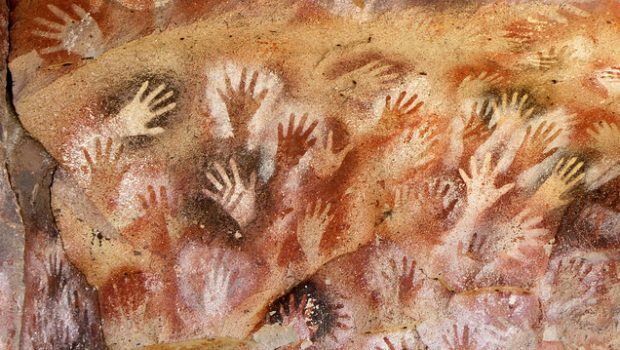
🧠 The Biological Conflict: Contact & Connection
According to GHK, sweat glands are linked to a “contact conflict”, which may involve:
- Fear of losing someone important
- Separation anxiety (parent, partner, loved one)
- Desire to maintain or restore connection
- Social anxiety → fear of rejection or disconnection
This is not always conscious. Often, it is a subtle, ongoing emotional undercurrent.
⚡ Conflict-Active Phase: Why Sweating Happens
During the conflict-active phase:
- Sweat gland activity increases
- Most noticeable in:
- Palms of the hands
- Soles of the feet
🌱 Biological Meaning
This response is not random. It serves a purpose:
- Moist palms → better grip (holding on)
- Moist feet → better traction (moving toward or staying connected)
It reflects a deep biological impulse:
“I need to hold on… I must not lose contact.”
🔁 Chronic Sweating: When the Pattern Persists
If the individual remains in a state of:
- Ongoing fear of disconnection
- Repeated triggers (reminders of past separation)
- Social insecurity or need for validation
Then:
👉 Sweaty palms and feet can become chronic
Not because the body is failing, but because the emotional signal remains active.
👶 Children & Sweaty Palms/Feet
In children, this often appears during:
- Starting school (separation from parents)
- Emotional distance at home
- Fear of rejection or not fitting in
Children are highly sensitive to relational safety, and their bodies reflect this directly.
🧬 The GHK Correlation
In GHK:
- Sweat glands belong to the dermis layer of the skin
- Controlled by the cerebellum (old brain)
- Associated with contact-related conflicts
📖 Reference:
- Learning GNM
- Teachings based on Dr. Hamer’s discoveries, as presented in seminars by Helmut Pilhar
🌿 A New Perspective on Healing
Instead of asking:
❌ “How do I stop this sweating?”
GHK invites a deeper question:
✅ “Where in my life do I fear losing connection?”
✅ “Where am I trying to hold on?”
Healing begins when:
- The perception of threat is resolved
- A sense of inner security and connection is restored
💡 Closing Insight
Sweaty palms and feet are not a defect—they are a biological adaptation.
A silent expression of:
The need to connect, to hold on, and to not feel alone.
When the underlying emotional conflict finds resolution, the body naturally returns to balance.