Dyspnoea (Breathlessness) Without Pathology – A Germanic Healing Knowledge Perspective
Breathlessness or dyspnoea is commonly described as the uncomfortable feeling of not getting enough air. In conventional medicine, this symptom is usually investigated through lung function tests, imaging, and blood oxygen levels.
However, many individuals experience breathlessness even when all medical tests appear normal. This condition often leads to confusion for both patients and doctors.
From the perspective of Germanic Healing Knowledge (GHK), developed by Dr. Ryke Geerd Hamer, such symptoms are interpreted as part of a biological adaptation process linked to emotional conflicts affecting specific brain relays and tissues.
In cases where dyspnoea occurs without detectable pathology, the symptom is often understood as a functional response related to the nervous regulation of breathing.
Understanding the Biological Context
According to GHK, the body operates through meaningful biological programs designed to help an organism adapt to sudden emotional shocks or conflicts. These conflicts activate specific areas of the brain that correspond to certain organs or tissues.
Breathing-related symptoms may involve the following systems:
- Bronchial mucosa
- Laryngeal muscles
- Respiratory musculature
- Autonomic regulation of breathing
When these systems respond to a perceived conflict, breathing may temporarily change even though the lungs themselves remain structurally healthy.
1. Fear in the Territory Conflict
One of the most common conflict themes linked to breathing difficulty is a territorial fear conflict.
Biological Meaning
This conflict relates to feeling threatened in one’s environment or territory.
Possible Real-Life Situations
- Feeling unsafe in one’s home or workplace
- Sudden fear of losing security or stability
- Being confronted by an aggressive person
- Feeling unable to protect one’s space
Physical Expression
When this conflict affects the bronchial mucosa, the body may produce:
- Tightness in the chest
- Difficulty inhaling or exhaling
- A sensation of “air hunger”
This can resemble asthma-like symptoms but without structural lung disease.
2. Fright-Fear Conflict
Another possible trigger for dyspnoea without pathology is a fright-fear conflict.
Conflict Theme
A sudden shock or scare that momentarily overwhelms the nervous system.
Examples include:
- A near accident
- Sudden emotional shock
- Unexpected confrontation
- Hearing alarming news
Biological Reaction
This conflict may affect the laryngeal region, producing sensations such as:
- Temporary inability to breathe freely
- Feeling as if the throat tightens
- Sudden breathing interruption
Many people describe this experience as “my breath got stuck for a moment.”
3. Motor Conflict Affecting Breathing Muscles
Breathing is also influenced by muscles controlled by the motor cortex. If a person experiences a motor conflict, breathing patterns may change.
Conflict Theme
- Feeling trapped
- Inability to escape a situation
- Being immobilized emotionally or physically
Possible Symptoms
- Shallow breathing
- Tightness in the chest
- Rapid breathing or sighing
- Breathlessness during anxiety
These symptoms are often interpreted medically as panic attacks or anxiety-related breathing disturbances.
4. Breathlessness During the Healing Phase
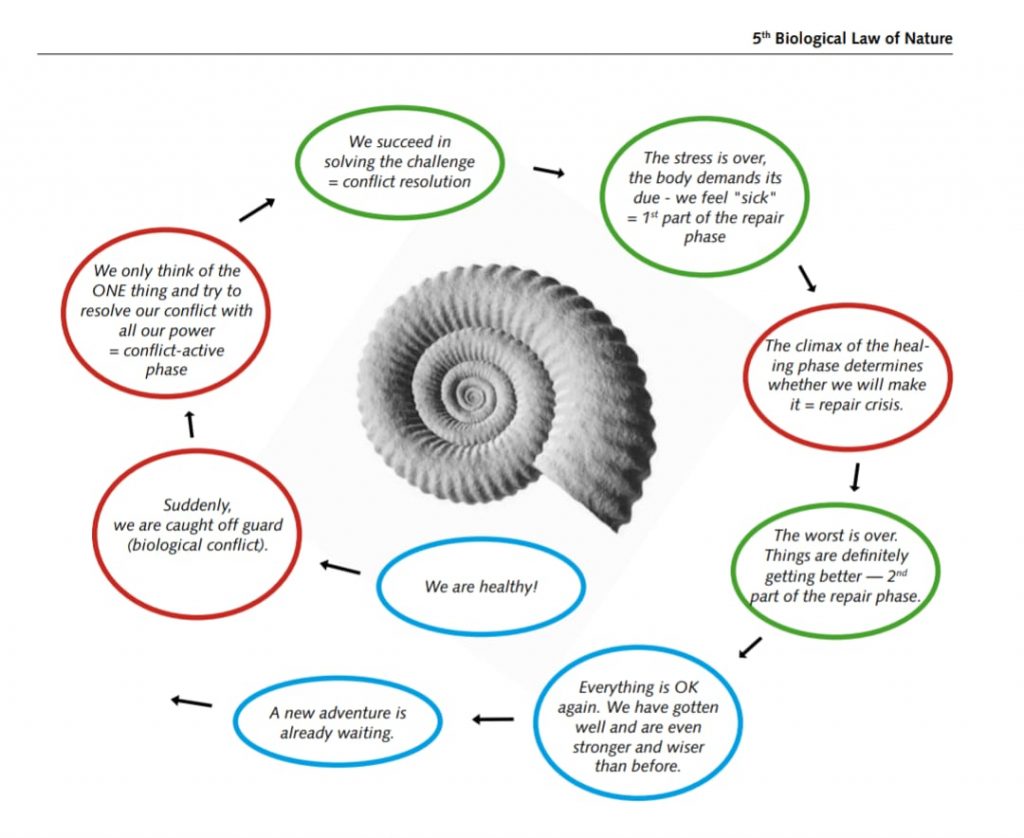
In some situations, dyspnoea appears during the healing phase rather than during the conflict-active phase.
During healing:
- The brain relay associated with the conflict may temporarily swell with edema
- Nervous system regulation changes
- Breathing patterns may fluctuate
This can result in:
- Heavier breathing
- Fatigue during respiration
- Occasional shortness of breath
These symptoms generally stabilize once the healing phase completes.
Why Medical Tests May Appear Normal
In many cases of dyspnoea without pathology:
- Lung imaging is normal
- Oxygen saturation is normal
- Pulmonary function tests are within range
From a GHK perspective, this occurs because the symptom reflects a regulatory response of the nervous system rather than structural organ damage.
Recurring Breathlessness and Conflict Relapses
Repeated episodes of breathlessness may occur when the original conflict is re-triggered.
For example:
- encountering a person connected to the original conflict
- returning to a stressful environment
- recalling a frightening event
Each trigger can briefly reactivate the biological response.
Reflective Questions
Within the GHK framework, identifying the original conflict is considered important. Some reflective questions may include:
- When did the first episode of breathlessness occur?
- What situation was happening at that time?
- Did you feel threatened, frightened, or trapped?
- Are there recurring situations that trigger the symptom?
Understanding the emotional context surrounding the first occurrence can sometimes provide insights into the body’s response.
A Broader Perspective on Symptoms
Germanic Healing Knowledge proposes that symptoms like dyspnoea are not random malfunctions but meaningful biological responses designed to help the organism adapt to stress or conflict.
While this perspective differs from conventional medical interpretations, it encourages individuals to explore the connection between emotional experiences, brain responses, and physical symptoms.