Torticollis (Wry Neck) – A Germanic Healing Knowledge (GHK) Perspective
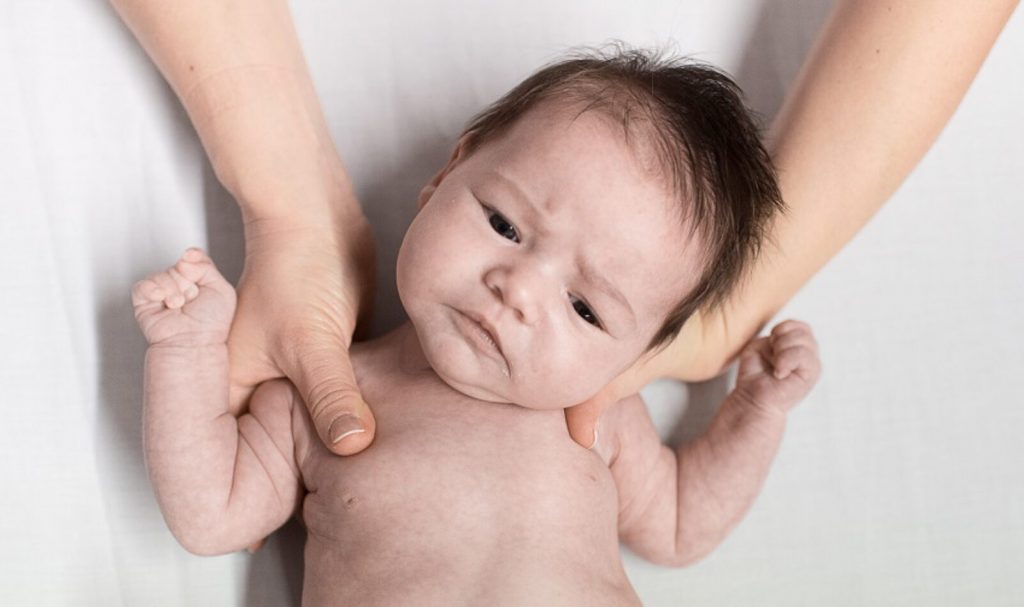
Torticollis, commonly known as wry neck, is a condition where the neck muscles contract involuntarily, causing the head to tilt to one side. It may present with stiffness, spasms, restricted movement, and pain.
From the lens of Germanic Healing Knowledge (GHK), torticollis is not viewed as a random muscular disorder. Instead, it is understood as a meaningful biological response initiated by the brain in response to stress.
The Biological Understanding
The neck muscles belong to the skeletal muscle system, which is controlled by the motor cortex of the brain. These muscles are responsible for:
- Turning the head
- Orienting direction
- Adjusting posture
- Responding quickly to environmental cues
In GHK, every muscle group has a biological function tied to survival and adaptation.
The neck, in particular, relates to direction, orientation, and the ability to face or turn away from something.
When Does Torticollis Develop?
According to GHK principles, torticollis can develop when a person experiences an unexpected stressful event related to:
- Feeling unable to turn away from a situation
- Being forced to “face” something uncomfortable
- Feeling stuck between two directions
- Wanting to look toward something but feeling blocked
- Feeling trapped or unable to move freely
In such moments, the brain activates a motor response affecting the neck muscles.
The muscles tighten or contract as part of a protective program.
This tension may present as:
- Head tilting to one side
- Muscle spasms
- Neck stiffness
- Pain while turning
- Limited range of motion
From a GHK perspective, this is not dysfunction — it is adaptation.
The Healing Phase
When the internal stress resolves and the person feels safe again, the nervous system shifts out of high alert.
During this phase:
- Muscle tension gradually decreases
- Spasms reduce
- Mobility improves
- Pain eases
- The head returns to neutral alignment
The body restores balance naturally once the brain no longer perceives threat.
Key Insight from GHK
GHK proposes that symptoms are not mistakes. They are meaningful biological responses designed to help the organism adapt to stress.
Torticollis, in this view, reflects a temporary motor adaptation linked to direction and orientation in life.
When awareness increases and the inner conflict dissolves, the biological program completes — and the body relaxes.
Final Thought
The body is never against us.
It is always responding intelligently.
Understanding the psyche–brain–organ connection offers a different way to interpret symptoms — not with fear, but with clarity.