🩸 GHK Perspective on Delayed Periods (Amenorrhea / Irregular Cycle)
1. Which Tissue Is Involved
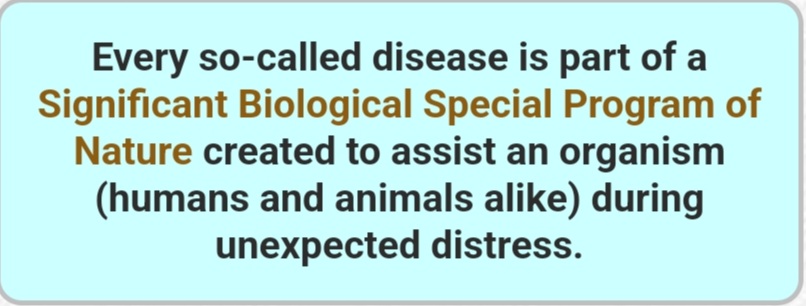
Delayed menstruation is not one single “disease” — it can result from different conflicts depending on which tissue or hormonal axis is affected:
| Affected Area | Biological Function | Type of Conflict | Result in “Delay” |
|---|---|---|---|
| Endometrium (uterine lining) | Nourishing potential offspring | Loss-conflict or sexual frustration conflict | The endometrium stops proliferating → no shedding → no period |
| Ovaries | Produce estrogen and release eggs | Loss conflict (loss of child, partner, pet, or nest member) | Estrogen levels drop → cycle stops or lengthens |
| Pituitary / Hypothalamus | Hormonal coordination of ovulation | Existential conflict or feeling out of rhythm with life | Ovulation suppressed → cycle delayed |
| Cervix / Vagina | Facilitate sexual or reproductive connection | Sexual frustration or separation conflict | Menstrual discharge reduced or postponed |
2. Typical Biological Conflicts
a. Ovarian Conflict – “Loss Conflict”
Biological meaning: the woman experiences an unexpected loss of someone or something she considers “her child,” “her family,” or “her creation.”
- Conflict-active phase: tissue necrosis (loss of ovarian function) → estrogen decreases → period stops.
- Healing phase: ovarian cyst forms (temporary swelling) → hormone production rebounds → period returns, sometimes heavy or delayed.
🩺 Example from learninggnm.com:
A woman who loses her beloved pet or feels her partner “emotionally gone” may stop menstruating for weeks or months — until the loss is accepted and peace returns.
b. Endometrial Conflict – “Sexual Frustration” or “Nest Conflict”
Biological meaning: something in the “nest” (home or relationship) isn’t as it should be — a lack of warmth, intimacy, or belonging.
- Conflict-active phase: atrophy of endometrial lining → no menstruation.
- Healing phase: lining regenerates → delayed but heavier period, often with cramps or discharge.
Björn Eybl notes:
“If menstruation does not start, it means that the endometrial lining has not been built up due to a long-lasting stress conflict of the uterus or hormonal regulation.”
c. Hypothalamic / Pituitary Conflict – “Feeling out of rhythm with life”
Biological meaning: a deep inner disorientation — loss of life’s natural rhythm, insecurity about role, or fear of not being in control.
- Often triggered by major change: relocation, breakup, exam stress, fasting, or overexertion.
- The body halts ovulation to preserve energy — a protective “pause.”
Once normal rhythm and sense of safety are restored → the body resumes the natural cycle.
3. Healing Phase (Resolution Phase)
After conflict resolution:
- The ovaries or endometrium enter a regeneration phase.
- Menstruation resumes — often after an emotional breakthrough, reconciliation, or acceptance of loss.
- It may come with temporary swelling, mild ovarian pain, or emotional sensitivity.
This is the biological “resurrection” of the reproductive system — restoring harmony between above (psyche) and below (body).
5. In Summary
| GHK Viewpoint | Conventional View |
|---|---|
| Meaningful biological program to cope with loss or stress | Hormonal imbalance |
| Conflict: loss, frustration, or disorientation | Estrogen or progesterone deficiency |
| Solution: resolve conflict, re-establish safety, forgive, realign | Medication or hormonal therapy |
| Healing phase: period returns naturally | Artificial regulation through pills |